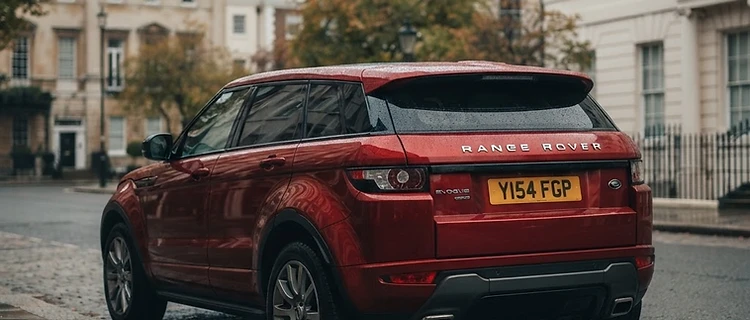
Used Range Rover Evoque (L538, 2011–2018) Buyer’s Guide: Reliability, Ingenium Engine Faults and DPF Issues
Introduction
The first Range Rover Evoque still looks like a smart buy. It has showroom appeal, a plush cabin and the badge many buyers want. The catch is that L538 ownership splits into two very different stories: the earlier 2.2-litre diesel cars and the later Ingenium-engined facelift models. Buy carefully and an Evoque can feel special for sensible money. Buy the wrong diesel for short-trip use, and it can become expensive quickly.
This guide covers which engines make sense, the key Range Rover Evoque reliability concerns, the main L538 common faults, and what to check before you commit.
Which Used Evoque Makes the Most Sense?
For many UK buyers, the sweet spot is a late pre-facelift 2013-2015 car with the older 2.2-litre diesel. In TD4 and SD4 form, this Ford/PSA-derived unit is not perfect, but it is generally regarded as tougher and less troublesome than the later 2.0-litre Ingenium diesel.
The facelift brought fresher styling, new tech and the 2.0 Ingenium engine. It also brought the issues that dominate most specialist conversations: timing chain wear, oil dilution and DPF sensitivity. That does not mean every Ingenium car is bad, but it does mean service history matters more than on many rivals.
If you mainly do short urban trips, think hard before buying any diesel Evoque. A petrol may be the safer ownership bet, even if fuel costs are higher. If you need more context on shared JLR diesel issues, the Used Land Rover Discovery Sport (L550, 2015–2019) Buyer’s Guide UK: Reliability, Ingenium Engine Faults and DPF Issues covers many of the same themes.
Engines, Gearboxes and What Goes Wrong
The headline issue is the 2.0 Ingenium engine problems seen on 2015-onward diesels. The timing chain can wear prematurely, especially on cars with long oil-change intervals or lots of interrupted DPF regenerations. On cold start, listen for a metallic rattle from the timing chain area. Ignore it, and the bill can escalate from a preventative repair to a full engine failure.
Oil dilution is the other big one. During DPF regeneration, extra fuel is used to raise exhaust temperatures. If the car is repeatedly switched off mid-regeneration, fuel can contaminate the oil. Symptoms include a rising oil level, frequent service warnings, fans running after shutdown and poor running. A meticulous owner will often have changed the oil every 7,000-10,000 miles rather than simply following the official interval.
Most Evoques buyers want are automatic. The ZF 9-speed transmission is not inherently a reason to walk away, but early cars could feel hesitant, jerky or indecisive at low speeds. On a test drive, it should not slam into gear, flare between ratios or shudder when manoeuvring. Some cars improve with software updates; others need more involved work.
AWD versions use a Haldex-type coupling. It is often overlooked in the service file, yet neglected fluid can shorten component life. Smooth engagement and evidence of maintenance are both good signs.
Common Faults and Known Issues
- Timing chain wear on 2.0 Ingenium diesel: cold-start rattle, engine light, rough running. A Range Rover Evoque timing chain replacement cost UK figure is typically four figures; budget around £1,200-£2,000 at a specialist, sometimes more.
- DPF and oil dilution issues: common on short-trip diesel cars. Signs include high oil level, repeated service messages, limp mode and frequent regens. Forced regeneration or DPF cleaning is often £250-£600; a replacement DPF can be much dearer.
- EGR valve or intake fouling: hesitation, smoke, flat spots and warning lights. Repair costs vary, but £300-£900 is a realistic specialist range.
- Range Rover Evoque gearbox problems: low-speed hesitation, harsh shifts or delayed response from the 9-speed auto. Software work may be modest money; mechanical gearbox repairs can run well into four figures.
- Haldex AWD servicing neglect: traction warnings or inconsistent rear-drive engagement. Preventative service is far cheaper than repair.
- Suspension and tyre wear: heavy wheels and poor alignment can wear inner tyre shoulders quickly. Knocks from drop links and bushes are not unusual.
- Electrical niggles: parking sensors, reversing cameras, infotainment glitches and weak batteries do crop up. A tired battery can trigger a surprising number of warning lights.
Buying Advice
If reliability is your priority, the best answer to best year for used Range Rover Evoque is usually a well-kept late 2.2 diesel car, provided ULEZ compliance is not essential. If you need ULEZ and cover bigger miles, a later Ingenium diesel can work, but only with excellent history and evidence of frequent oil changes. If you do mostly town driving, a petrol is the more sensible choice.
Avoid cars with patchy servicing, overdue oil changes, repeated DPF or emissions faults, or sellers who cannot explain how the car was used. A glossy body and black-pack trim mean very little if the engine has lived on school-run duty and missed its regens.
Inspection Checklist
- Start it from cold. Any chain rattle on an Ingenium diesel is a red flag.
- Check the service book and invoices, not just the dashboard record.
- On a 2.0 diesel, confirm oil changes were done more frequently than the maximum interval.
- Check the oil level. If it is above the mark, suspect fuel dilution.
- Drive it long enough for the gearbox to warm through. Test crawl-speed shifts, kickdown and reversing.
- Look for DPF, engine or drivetrain warnings, even if they are only stored intermittently.
- Inspect tyre wear across the full tread and make sure brands match across an axle.
- On AWD cars, ask whether the Haldex system has ever been serviced.
- Check all electrical items: cameras, sensors, seat motors, tailgate and infotainment.
- Look for signs of accident repair; Evoques are image-led cars and some have been cosmetically repaired on the cheap.
Ownership Costs
This is not a cheap SUV to run by mainstream-family-car standards. Real-world diesel economy can be decent on a run, but many owners see figures dragged down badly by urban use. Petrol models usually sit noticeably lower.
Servicing with a good independent Land Rover specialist is the sensible route. Routine maintenance is manageable, but the risk items matter more: timing chain work, DPF cleaning, EGR repairs and gearbox faults can easily turn a bargain purchase into a costly one.
Road tax depends on age, CO2 rating and first registration date, so check the exact car. Insurance is usually above average, and bigger alloy wheels mean expensive tyres and a firmer ride. For cost-conscious buyers, smaller wheels are usually the better choice.
Frequently Asked Questions
Is a used Range Rover Evoque reliable?
Mixed. Early 2.2 diesel cars are generally viewed as the sturdier choice, while later 2.0 Ingenium diesels need very careful scrutiny.
What are the common problems with the 2.0 Ingenium engine?
Timing chain wear, oil dilution and DPF-related trouble are the main concerns.
Which engine is best in a used Evoque?
For reliability, many specialists favour the pre-2015 2.2 diesel. For short trips, a petrol usually makes more sense than a diesel.
Are Evoque automatic gearboxes troublesome?
They can be. The ZF 9-speed may hesitate or shift harshly, so a thorough test drive is essential.
Is the Range Rover Evoque expensive to maintain?
Yes, compared with mainstream SUVs. Specialist labour, premium tyres and emissions-related repairs all add up.
Summary
The L538 Evoque can still be a very appealing used buy, but engine choice is everything. The safest diesel bet is usually a late 2.2-litre car with strong history. Later Ingenium diesels are more demanding: they need the right usage pattern, frequent oil changes and zero excuses in the paperwork.
In simple terms: buy on condition and service evidence, not looks alone.
Should You Get a Professional Vehicle Report?
If you are close to buying, a Professional Vehicle Report from MyCarPilot costs £14.99 as a one-off payment. It adds model-specific risk checks to the usual history search, using specialist AI and UK market data developed by automotive engineers, and includes a 30-day Buying Companion for follow-up questions. If you want the detail before ordering, the FAQ is useful.
Frequently Asked Questions
About this guide: Produced by the MyCarPilot Engineering Team using UK market data, manufacturer technical bulletins and common owner-reported fault patterns. This is general buying guidance and does not replace a professional mechanical inspection.
Get Your Professional Vehicle Report
Before you travel to see any car, get the full picture. MyCarPilot analyses the documents and details you provide, cross-references them with UK model and market data, and tells you what is wrong, what it will cost, what to pay and what to inspect. All for a single payment of £14.99.
Start Your Vehicle ReportRelated Articles

Used Honda CR-V (Mk4, 2012–2018) Buyer’s Guide: Reliability, i-DTEC Diesel DPF Issues and Common Faults

Used Kia Picanto (JA, 2017–2023) Buyer’s Guide: Reliability, AMT Gearbox Quirks and Common Electrical Faults