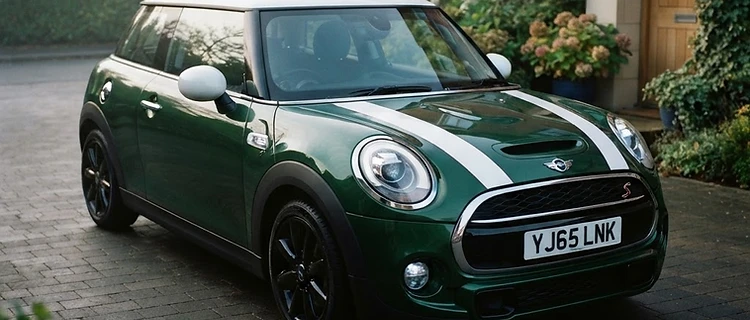
Used MINI Hatch (F56, 2014–2020) Buyer’s Guide: Reliability, B38 Engine Issues and Gearbox Faults
Introduction
The F56 MINI Hatch is the version that made the modern MINI feel genuinely sorted. It still has the cheeky styling and sharp steering buyers want, but it is a far better engineered car than older Prince-engined MINIs. That does not mean every used example is a safe bet. Poor servicing, early B38 concerns and ignored suspension wear can turn a smart city hatch into a costly project.
This guide covers used MINI Hatch reliability, the BMW B38 and B48 engines, common gearbox faults, likely ownership costs and the checks I would make before buying one in the UK.
Used MINI Hatch reliability: what holds up well
In broad terms, the F56 is a solid used buy. Build quality is good, the cabin wears well, and the BMW-era petrol engines are a meaningful step forward from the older 1.6-litre units. Most cars feel tight even at six-figure mileages if they have been serviced properly.
The best all-rounder is the MINI Cooper 1.5. Its B38 three-cylinder turbo is punchy enough, more economical than the Cooper S, and usually the cheaper long-term car to run. The Cooper S uses the 2.0-litre B48 four-cylinder, which is also fundamentally robust, but tyres, brakes and clutches tend to disappear faster because these cars are often driven harder.
Where buyers go wrong is trusting MINI’s long condition-based servicing too blindly. On paper the intervals can look acceptable; in practice, these turbo engines respond far better to annual oil changes, even on low-mileage cars. A stamped service book is good, but invoices showing quality oil and sensible intervals are better.
B38 engine, B48 engine and gearbox: what to know
If you are asking about MINI B38 engine reliability, the answer is mostly positive. It is a much better unit than the old Prince engine, with fewer horror stories around chronic timing chain and oil consumption problems. Even so, early 2014-2015 cars deserve extra scrutiny because some were affected by crankshaft bearing issues. Many were rectified under manufacturer action, so paperwork matters.
All F56 petrol models use a timing chain, not a belt. That is good news, but it is not a free pass. Neglected oil changes can still lead to chain stretch and the familiar cold-start rattle. If a seller says, “they all do that”, walk away.
The B48 in the Cooper S is usually dependable too. It is smoother and stronger than the B38, but it carries the same warning: poor oil quality and missed servicing shorten the life of the turbo and timing components.
Gearboxes are generally sound. The Getrag manual is usually the safer bet, though worn clutches on enthusiast-owned Cooper S models are not rare. The automatic, sold as Steptronic, should shift cleanly and smoothly. Hesitation when selecting Drive or Reverse, flaring revs between gears, or jerky low-speed shifts point to trouble. Some faults are software-related; others can become four-figure repairs, so any automatic that feels odd should be left alone or inspected professionally.
Common Faults and Known Issues
- Upper engine mount failure: a frequent F56 issue. Look for vibration at idle, clonks when taking up drive, or visibly split rubber. Typical independent repair cost: roughly £250-£450.
- Thermostat housing and coolant leaks: watch for low coolant warnings, a sweet smell after a run, or white crusty residue around the housing. Often £300-£600.
- Front lower arm bush wear: causes knocking over bumps, vague steering and uneven front tyre wear. Budget around £250-£500 depending on parts replaced.
- Early B38 crankshaft bearing concerns: mainly an early-car issue. Confirm recall or dealer history on 2014-2015 cars.
- Timing chain wear on neglected engines: metallic rattle on cold start is the giveaway. Repair costs vary widely, but it can easily become an £800-£1,500 job or more.
- Turbo and breather-related problems: not common on maintained cars, but heavy oil use, smoke or whistling under boost are bad signs.
- Automatic gearbox faults: shunting, delayed engagement or warning lights need proper diagnosis before purchase.
Buying Advice
The safest used buy is usually a 2016-on Cooper 1.5 with full history, sensible mileage and no modifications. It gives you the best balance of reliability, pace and running costs.
Buy on condition, not just trim. A tidy car with basic spec is a better purchase than a tired one with Chili Pack, bigger wheels and MINI Connected. Desirable options help resale, but they do not compensate for missed servicing.
Be cautious with heavily modified cars, mixed-brand ditchfinder tyres, or examples that have clearly lived in town on short trips alone. The MINI is sensitive to maintenance quality. I would also favour cars serviced by a MINI specialist or BMW specialist over those with patchy fast-fit history.
Inspection Checklist
- Start the engine from cold and listen for chain rattle or rough idle.
- Check coolant level and inspect for staining around the thermostat housing.
- Look closely at the upper engine mount for cracking or collapse.
- On the road test, listen for front suspension knocks and feel for wandering under braking.
- Manual: check for clutch slip in a high gear from low revs. Automatic: ensure smooth take-up in Drive and Reverse.
- Confirm regular oil services, not just gaps justified by condition-based intervals.
- Check tyre wear across the inner edges; poor alignment and worn bushes show up here.
- Test the infotainment, air-conditioning, parking sensors and all warning lights.
Ownership Costs
For a premium supermini, the F56 is manageable rather than cheap. A Cooper 1.5 will often return low-to-mid 40s mpg in real UK use; a Cooper S is more likely to sit in the high 30s to low 40s depending on use. Insurance is rarely bargain-basement, especially for younger drivers.
Servicing through an independent MINI specialist is usually far better value than a main dealer. Routine annual servicing often lands around £250-£400, with bigger bills for spark plugs, brakes and tyres. Larger wheels and run-flat tyres can make replacement costs sting.
Most petrol F56 models are ULEZ compliant, but always verify by registration. Road tax varies by registration date and original CO2 rating, so check the specific car rather than assuming.
Frequently Asked Questions
What are the most common problems with the MINI F56?
Engine mount failure, coolant leaks from the thermostat housing, worn front suspension bushes and, on poorly serviced cars, timing chain wear.
Is the MINI 1.5-litre B38 engine reliable?
Generally yes. It is much improved over older MINI petrol engines, but it needs frequent quality oil changes and a proper service history.
Does the MINI Hatch have a timing belt or chain?
It uses a timing chain. That avoids belt-change intervals, but neglected oil changes can still cause chain stretch and rattling.
Is a 2015 MINI Cooper reliable?
It can be, but I would be stricter on service evidence and recall history because the earliest B38 cars had more reported bearing-related concerns.
Are MINI Coopers expensive to maintain in the UK?
They cost more to run than a Fiesta or Corsa, but less than many larger premium cars. Using a good independent specialist usually keeps costs sensible.
Summary
A well-bought F56 is one of the most enjoyable small used cars on sale. The sweet spot is the standard Cooper with the 1.5-litre B38, full history and no signs of cooling, mount or suspension neglect. The Cooper S is still a good car, but consumables cost more and hard use is common.
Prioritise maintenance over mileage, avoid cold-start rattles and suspect automatics, and the MINI Hatch can be a smart premium used buy. If you are cross-shopping rivals, our guides to the Used Volkswagen Golf Mk7 (2012–2020) Buyer’s Guide: Reliability, Water Pump Leaks and DSG Faults and the Used Audi A3 (8V, 2013–2020) Buyer’s Guide: Reliability, DSG Faults and Water Pump Issues are worth reading too.
Should You Get a Professional Vehicle Report?
Before committing, a Professional Vehicle Report from MyCarPilot is a sensible final check. It costs £14.99 as a one-off payment, is built around engineer-led analysis cross-referenced with UK model data, and includes a 30-day Buying Companion if questions come up after the viewing. For broader buying-process help, the FAQ is also useful.
Frequently Asked Questions
About this guide: Produced by the MyCarPilot Engineering Team using UK market data, manufacturer technical bulletins and common owner-reported fault patterns. This is general buying guidance and does not replace a professional mechanical inspection.
Get Your Professional Vehicle Report
Before you travel to see any car, get the full picture. MyCarPilot analyses the documents and details you provide, cross-references them with UK model and market data, and tells you what is wrong, what it will cost, what to pay and what to inspect. All for a single payment of £14.99.
Start Your Vehicle ReportRelated Articles


Used Honda CR-V (Mk4, 2012–2018) Buyer’s Guide: Reliability, i-DTEC Diesel DPF Issues and Common Faults


Used Kia Picanto (JA, 2017–2023) Buyer’s Guide: Reliability, AMT Gearbox Quirks and Common Electrical Faults