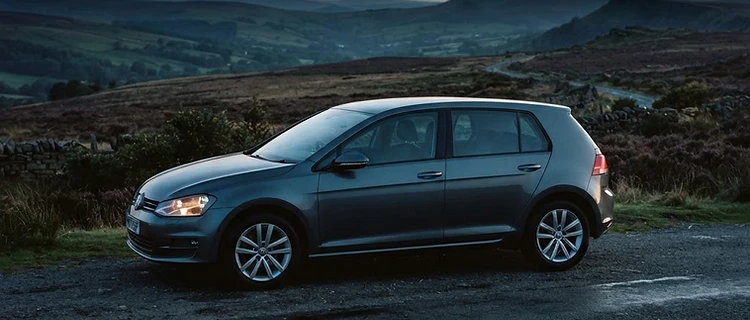
Used Volkswagen Golf Mk7 (2012–2020) Buyer’s Guide: Reliability, Water Pump Leaks and DSG Faults
Introduction
The Mk7 Golf is one of those used cars that nearly always makes sense. It is roomy enough for family duty, refined on the motorway and, in the right spec, still feels properly premium. But a smart badge and solid cabin do not make it fault-free. If you are reading this used Volkswagen Golf Mk7 buyer's guide, the big things to understand are engine choice, DSG maintenance and the well-known cooling system leaks.
This guide covers VW Golf Mk7 reliability, the versions worth targeting, the Golf Mk7 common faults to watch for and the checks that matter before money changes hands.
Engines, gearboxes and the best used Mk7s
For most UK buyers, the sweet spot is the 1.4 TSI petrol. It gives the Golf the performance it deserves without the higher running costs of GTI, GTD or R models. If you are asking about VW Golf Mk7 1.4 TSI reliability, the answer is broadly positive, provided it has been serviced properly and is not losing coolant.
The later 1.5 TSI is also a good option, while the 1.0 TSI suits lighter use. High-mileage drivers will still like the 2.0 TDI, but only if the car regularly sees longer runs so the DPF can regenerate properly. A 1.6 TDI can be economical, though it feels less effortless.
Manual gearboxes are usually the safer long-term bet. They are simple, durable and cheaper to fix if a clutch eventually wears out. The DSG automatic transforms the Golf in traffic and suits the car’s character well, but Golf Mk7 DSG gearbox problems are expensive when service history is poor. If the car has a wet-clutch DSG, evidence of oil changes at the correct interval is vital.
Trim-wise, SE and Match editions often make the most sense. They avoid some of the price premium of GT models but still offer the equipment most buyers actually want. Facelift cars feel fresher inside and bring improved infotainment.
If you are cross-shopping the same Volkswagen Group MQB platform, our Used Audi A3 (8V, 2013–2020) Buyer’s Guide: Reliability, DSG Faults and Water Pump Issues and Used Skoda Octavia (2013-2019) Buyer’s Guide: Reliability, DSG Gearbox Maintenance and High-Mileage Diesel Tips are useful comparisons.
How the Golf Mk7 ages in the real world
The reason the Mk7 remains so popular is that it wears mileage well. Cabins generally stay tight, driving positions are excellent and most cars still feel mature even past 80,000 miles. A looked-after Golf can feel newer than many rivals.
That said, condition tells you more than mileage alone. A 100,000-mile motorway car with full history is often a safer bet than a low-mileage town car with missed services, kerbed alloys and patchy invoices. On inspection, focus on signs of proper maintenance rather than shiny paint.
Also remember that the Golf has often been bought on reputation. That means some sellers ask strong money for average cars. Do not assume every used Volkswagen Golf 2012-2020 is worth a premium. The best buys are honest, well-documented cars with sensible specifications and no gaps in servicing.
Common Faults and Known Issues
The Mk7 is generally dependable, but these are the main trouble spots.
- Water pump and thermostat housing leaks: one of the best-known VW Golf Mk7 water pump issues. Look for falling coolant level, pink residue, a sweet smell after a drive or dampness around the housing. Costs vary by engine and workshop, but many owners face roughly £400-£700 at an independent specialist.
- DSG hesitation, shunting or jerky changes: the classic risk area. Symptoms include a thump engaging drive, low-speed kangarooing, delayed response or warning lights. Sometimes a software update helps; sometimes the mechatronic unit or clutch pack is the problem. Repair bills can easily run into four figures.
- Infotainment glitches: frozen screens, unresponsive touch inputs and intermittent Bluetooth faults are not rare, especially on earlier cars.
- Suspension knocks: front suspension clunks over potholes are usually worn drop links or bushes rather than anything catastrophic, but they are worth using as a price lever.
- Sunroof leaks: cars with panoramic roofs can suffer blocked drains or water ingress, leading to damp carpets and electrical gremlins.
- Diesel EGR/DPF issues: mainly on short-run cars. Warning lights, limp mode or frequent fan running after shutdown can point to regeneration trouble.
None of that makes the Golf a bad car, but it does answer the question, is the VW Golf Mk7 reliable? Yes, generally it is, but only if you buy one that has had the known weak points addressed.
Buying Advice
If you want the safest ownership experience, a manual 1.4 TSI or a carefully maintained 1.5 TSI is usually the strongest all-round choice. For motorway use, a 2.0 TDI can make sense, but only with clear evidence of regular longer journeys and routine servicing.
Be more cautious with any DSG car that has missing invoices, vague answers about gearbox servicing or obvious shift quality issues. A seller saying “they all do that” is not a diagnosis.
Equally, do not ignore coolant history. If the expansion tank is low, recently topped up or shows staining nearby, ask why. Water pump leaks are common enough that you should treat any unexplained coolant loss seriously.
A full history from Volkswagen or a respected independent specialist matters more here than an extra trim badge. If you want a wider background check before viewing, a £14.99 Professional Vehicle Report from MyCarPilot can help flag finance, write-off history, mileage concerns and market context before you spend time travelling.
Inspection Checklist
When viewing what to check when buying a used VW Golf Mk7, focus on these points:
- Check coolant level from cold and look for dried pink residue around the engine bay.
- On DSG cars, confirm gearbox servicing from invoices, not just a stamped book.
- During the test drive, make sure shifts are smooth when cold and warm.
- In manual cars, check for clutch slip and a high biting point.
- Test the infotainment, Bluetooth, parking sensors and air conditioning properly.
- Listen for suspension knocks over broken surfaces.
- Check all four tyres match by brand and type; mixed cheap tyres often suggest penny-pinching.
- Lift the boot floor and feel carpets for damp, especially on sunroof cars.
- On diesels, ask about typical journey length and look for DPF or EGR warning lights.
- Read the service history carefully for water pump, thermostat housing or coolant repairs.
Ownership Costs
Running costs are reasonable by class. Petrol cars can return anything from the high 30s to mid 50s mpg in real use, depending on engine and driving style; diesels can do better on long runs. Insurance is usually sensible on mainstream models but rises sharply for GTI, GTD and R versions.
Servicing is not especially expensive at independents, though DSG maintenance must not be skipped. Tyres, brakes and suspension parts are widely available. Road tax depends heavily on registration date and engine, with some pre-April 2017 cars being more attractive than later ones.
Frequently Asked Questions
Is the VW Golf Mk7 a reliable used car?
Yes, in general. Its weak points are well known: water pump leaks, DSG issues on neglected cars and occasional electrical niggles.
What are the most common problems with the used VW Golf Mk7?
Cooling system leaks, jerky DSG behaviour, infotainment faults, suspension knocks and, on some cars, sunroof leaks.
Should I buy a manual or DSG Golf Mk7?
Manuals are usually the lower-risk buy. DSG is excellent when maintained properly, but repairs can be costly if servicing has been missed.
Which engine is best for a used Golf Mk7?
For most buyers, the 1.4 TSI is the best balance of pace, refinement and economy. A 2.0 TDI suits high-mileage drivers.
What should I check on a test drive?
Watch for smooth gearchanges, suspension noises, responsive infotainment, stable engine temperature and any sign of coolant loss.
Summary
The Mk7 Golf remains one of the most complete family hatchbacks on the used market. It is comfortable, classy and generally durable. The catch is that some examples hide expensive issues, especially around the cooling system and DSG transmission.
Buy on condition and history, not badge appeal. A well-serviced manual petrol is the easy recommendation; a DSG or diesel can still be a great buy, but only with the right paperwork.
Should You Get a Professional Vehicle Report?
If a Golf looks good on the driveway, that is only part of the story. Before committing, many buyers will want an independent sense-check on history, value and risk. MyCarPilot’s £14.99 Professional Vehicle Report is built by automotive engineers, powered by specialist AI and cross-referenced with UK model and market data. It also includes a 30-day Buying Companion for follow-up questions.
It will not replace a proper inspection, but it can help you decide whether a car is worth pursuing in the first place. If you are unsure how reports work, the FAQ is a useful starting point.
Frequently Asked Questions
About this guide: Produced by the MyCarPilot Engineering Team using UK market data, manufacturer technical bulletins and common owner-reported fault patterns. This is general buying guidance and does not replace a professional mechanical inspection.
Get Your Professional Vehicle Report
Before you travel to see any car, get the full picture. MyCarPilot analyses the documents and details you provide, cross-references them with UK model and market data, and tells you what is wrong, what it will cost, what to pay and what to inspect. All for a single payment of £14.99.
Start Your Vehicle ReportRelated Articles


Used Honda CR-V (Mk4, 2012–2018) Buyer’s Guide: Reliability, i-DTEC Diesel DPF Issues and Common Faults


Used Kia Picanto (JA, 2017–2023) Buyer’s Guide: Reliability, AMT Gearbox Quirks and Common Electrical Faults