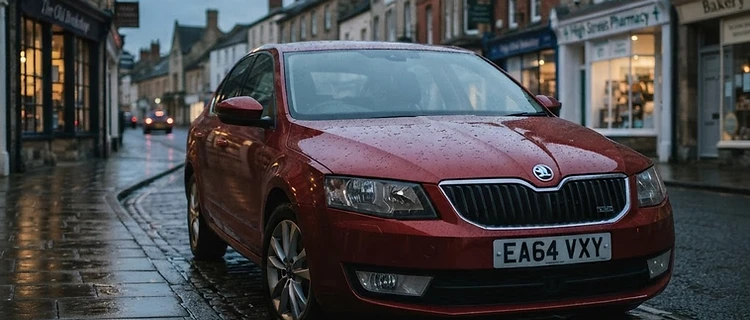
Used Skoda Octavia (2013-2019) Buyer’s Guide: Reliability, DSG Gearbox Maintenance and High-Mileage Diesel Tips
Introduction
The Mk3 Skoda Octavia is one of the smartest used family cars in the UK. It shares much of its engineering with the Volkswagen Golf Mk7, yet usually costs less and gives you a bigger boot, especially in Estate form. For buyers weighing value against risk, that matters.
This used Skoda Octavia 2013-2019 buyer's guide covers the engines worth having, the DSG gearbox service history you must see, common faults, and whether a high-mileage 2.0 TDI is a bargain or a false economy.
Which Octavia Mk3 should you buy?
For most private buyers, the sweet spot is a well-maintained 1.4 TSI petrol or 2.0 TDI diesel. The 1.4 TSI suits mixed or urban use and avoids diesel DPF headaches. If you regularly do long motorway runs, the 2.0 TDI remains the pick for economy and effortless cruising.
Manual gearboxes are the safer choice if you want the lowest risk. DSG is excellent when healthy, but only if it has been serviced on time. If the seller cannot prove gearbox oil changes, walk away or price in the risk.
Trim matters less than condition. SE and SE L cars usually offer the best value; vRS models are desirable, but many have been driven harder and attract stronger prices.
Skoda Octavia Mk3 reliability and high-mileage diesel ownership
So, is the Skoda Octavia Mk3 reliable for high mileage? In general, yes. This generation has a strong reputation, helped by widespread Volkswagen Group parts supply and plenty of specialist knowledge in the UK.
A cared-for Skoda Octavia 2.0 TDI high mileage example can be a very sensible buy. The key is use pattern and service history. Diesels that have lived on motorways tend to age better than low-mileage cars used only for short trips. Frequent cold starts and town driving are what clog DPFs and stress EGR components.
Look beyond mileage and study the paperwork. A 140,000-mile car with annual servicing, timing belt evidence and clean MOT history can be a better bet than an 80,000-mile car that has missed maintenance.
If you are cross-shopping, our guides to the Used Volkswagen Golf Mk7 (2012–2020) Buyer’s Guide: Reliability, Water Pump Leaks and DSG Faults and Used Audi A3 (8V, 2013–2020) Buyer’s Guide: Reliability, DSG Faults and Water Pump Issues show how closely related these cars are underneath.
DSG gearbox maintenance: the make-or-break issue
The biggest mechanical question on any automatic Octavia is the DSG. When it works properly, it is smooth and quick. When neglected, it can be expensive.
The crucial point is simple: Skoda Octavia DSG service intervals matter. On DSG variants that require regular oil changes, many specialists recommend strict 40,000-mile servicing. Missed changes are a common trigger for mechatronic and clutch issues. During a test drive, any hesitation pulling away, shunt at low speed, warning lights or jerky shifts should put you on alert.
Repair costs vary widely by gearbox type and fault. As a guide, a DSG oil service at an independent specialist is often far cheaper than a mechatronic repair, which can run into four figures. That is why stamped history and invoices are worth more than shiny paint.
Common Faults and Known Issues
These are the main used Skoda Octavia common faults to check:
- DSG gearbox problems: judder, delayed engagement, rough low-speed shifts. Missing oil-change history is the usual red flag.
- Water pump or thermostat housing leaks: coolant loss, sweet smell, low coolant warnings. Shared VAG issue; costs vary by engine and access.
- Suspension knocks: worn bushes, drop links or top mounts can cause clunks over broken roads.
- DPF and EGR issues on diesels: poor regeneration, warning lights or limp mode on cars used mainly in town.
- Infotainment glitches: freezing screens, slow boot-up or Bluetooth faults on some cars.
- Electric parking brake or sensor niggles: usually minor, but worth checking.
On a common problems with Skoda Octavia 2015 search, these are the faults that come up most often in owner reports and specialist workshops rather than any single catastrophic weakness.
Buying Advice
Buy on history first, spec second. A basic Octavia with the right invoices is a better purchase than a loaded car with gaps in the file.
Check the DVSA MOT history for repeat advisories: tyres wearing unevenly, suspension wear, brake corrosion and emissions warnings tell you how the car has been maintained. On diesels, ask how the car was used. A seller who says “mostly motorway” is giving you a better answer than “just to the shops”.
For timing belts, follow the manufacturer schedule for the exact engine and verify the work with invoices rather than verbal promises. If you are comparing rivals, the Octavia often makes more financial sense than the Golf, while still feeling familiar to anyone who has driven Volkswagen Group products.
Inspection Checklist
- Cold start: should fire quickly, idle evenly and avoid excess smoke.
- DSG: smooth pull-away, no judder, no warning lights.
- Manual: light clutch action, no slip under load.
- Suspension: listen for knocks over speed bumps.
- Cooling system: check coolant level and signs of leaks.
- Diesel: make sure no DPF or engine-management lights are showing.
- Interior tech: test touchscreen, Bluetooth, parking sensors and climate control.
- Service file: look for oil services, timing belt evidence and DSG invoices.
- MOT history: check mileage consistency and repeat advisories.
Ownership Costs
Skoda Octavia running costs UK are generally modest. The 2.0 TDI can be very economical on long runs, while the 1.4 TSI is usually the better bet for lower annual mileage. Real-world fuel economy depends heavily on route and driving style, so do not buy on brochure figures alone.
Insurance is usually reasonable for mainstream trims, tyres are affordable in common wheel sizes, and independent servicing is widely available. Road tax depends on first registration date, engine and CO2 band, so check the exact car rather than assuming.
Frequently Asked Questions
Is the Skoda Octavia Mk3 reliable for high mileage?
Yes, generally. A well-serviced Mk3 is one of the more dependable family cars of its era, especially with strong maintenance records.
What are the common DSG gearbox problems in the Skoda Octavia?
Mechatronic faults, clutch wear, judder and rough low-speed shifts. Missing 40,000-mile oil services are a major warning sign.
Should I buy a petrol or diesel Skoda Octavia?
Choose diesel for regular motorway mileage. Choose petrol for shorter or urban journeys to avoid DPF-related issues.
What should I check during a test drive of a used Octavia?
Listen for suspension knocks, make sure the DSG shifts cleanly, and check that the infotainment system works properly.
Is the Skoda Octavia cheaper to run than a VW Golf?
Often yes. It uses similar parts and engines but usually costs less to buy, while offering more cabin and boot space.
Summary
The Octavia Mk3 earns its reputation. It is practical, generally dependable and cheaper to buy than many close relatives. The best used examples are not necessarily the lowest-mileage ones; they are the ones with complete history, sensible owners and evidence of proper DSG and timing-belt maintenance.
For most buyers, a manual 1.4 TSI or a motorway-used 2.0 TDI is the safest route. If you want an automatic, buy the history before you buy the car.
Should You Get a Professional Vehicle Report?
If you are down to a specific car, a second layer of scrutiny is money well spent. MyCarPilot is the UK’s independent vehicle buying intelligence platform, built by automotive engineers and powered by specialist AI cross-referenced with UK model and market data.
A Professional Vehicle Report costs £14.99 as a one-off payment and includes a 30-day Buying Companion for follow-up questions. It is a sensible check for cars with patchy history, high mileage or anything where you want extra confidence before handing over the money. You can also read the FAQ for how it works.
Frequently Asked Questions
About this guide: Produced by the MyCarPilot Engineering Team using UK market data, manufacturer technical bulletins and common owner-reported fault patterns. This is general buying guidance and does not replace a professional mechanical inspection.
Get Your Professional Vehicle Report
Before you travel to see any car, get the full picture. MyCarPilot analyses the documents and details you provide, cross-references them with UK model and market data, and tells you what is wrong, what it will cost, what to pay and what to inspect. All for a single payment of £14.99.
Start Your Vehicle Report