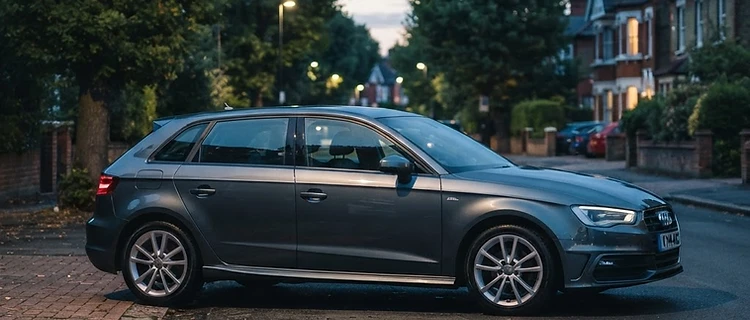
Used Audi A3 (8V, 2012–2020) Buyer’s Guide: Reliability, DSG Faults and Water Pump Issues
Introduction
The Audi A3 8V is one of the easiest premium hatchbacks to recommend on paper. It looks smart, feels solid and shares much of its engineering with the Volkswagen Golf Mk7, SEAT Leon Mk3 and Skoda Octavia Mk3. That is good news for parts supply and everyday usability, but it also means shared weak spots.
This used Audi A3 8V buyer's guide focuses on the issues that matter most in the real world: Audi A3 8V reliability, DSG gearbox problems, cooling-system failures and the checks that can save you from an expensive mistake. If you are comparing platform cousins, our guides to the Used Volkswagen Golf Mk7 (2012–2020) Buyer’s Guide: Reliability, Water Pump Leaks and DSG Faults and Used Skoda Octavia (2013-2019) Buyer’s Guide: Reliability, DSG Gearbox Maintenance and High-Mileage Diesel Tips are worth reading too.
Which Audi A3 8V Makes the Best Used Buy?
For most UK buyers, the sweet spot is a 1.4 TFSI petrol, ideally with a full service history and sensible trim. It is quiet, efficient and better suited to mixed driving than the diesel range. Later 1.5 TFSI cars are also appealing, though software updates matter if there has been any hesitation at low speeds.
If you do heavy motorway mileage, the 2.0 TDI remains the strongest diesel choice. It has the torque to suit the A3 well and can be very economical, but only if it has had the right life. Repeated short trips can mean DPF trouble, EGR headaches and a car that never really gets warm enough to stay healthy.
As ever, condition matters more than spec. A well-maintained SE on 80,000 miles is a better buy than a poorly serviced S line with half the mileage. On the used market, service evidence is king.
Reliability and Mechanical Watchpoints
So, is the Audi A3 8V reliable? Generally, yes. The cabin wears well, body corrosion is rarely a major problem and the core engines are capable of big mileages. The catch is that the 8V does not tolerate skipped maintenance particularly well.
The main mechanical watchpoint is the cooling system. Water pump and thermostat housing failures are common enough to be a known pattern across many Volkswagen Group cars of this era. Coolant loss may start slowly, with no dramatic overheating at first. Ignore it and the bill rises quickly.
Then there is the gearbox. The A3 used several versions of Audi's S tronic DSG transmission. When serviced on time, many are perfectly fine. When neglected, they can become one of the car's costliest failure points. A jerky pull-away, hesitation selecting drive or warning lights on the dash should never be dismissed as a minor quirk.
Electronics are less serious but still worth checking carefully. The Audi MMI system can suffer screen glitches, laggy controls or intermittent Bluetooth faults. None are as frightening as engine or gearbox trouble, but rectification can still be irritatingly expensive.
Common Faults and Known Issues
Here are the common faults Audi A3 8V buyers should know about:
- Water pump failure / thermostat housing leaks: Look for falling coolant level, pink residue around the housing and a sweet smell after a drive. Typical independent-garage repair costs are often £400 to £800, depending on engine and parts replaced.
- Audi A3 8V DSG gearbox problems: Missed or harsh shifts, shuddering when moving off, delayed engagement and gearbox warnings can point to mechatronic or clutch issues. A DSG oil change is far cheaper than a repair; mechatronic work can run from roughly £900 to £1,800.
- Suspension bush and drop-link wear: Knocks over broken roads are common on higher-mileage cars, especially larger-wheel S line models. Usually not catastrophic, but it affects refinement.
- MMI infotainment faults: Freezing screens, failed rotary controllers, Bluetooth pairing issues or dead speakers do crop up.
- Diesel DPF and EGR issues: More likely on 1.6 TDI and 2.0 TDI cars used mainly in town. Rough running, warning lights and repeated regeneration attempts are warning signs.
- Coil pack / ignition faults on petrols: Misfires under load are not unknown and are usually straightforward to diagnose.
None of these issues automatically make the A3 a bad buy. What matters is whether they have been fixed properly and documented.
Buying Advice
The best used Audi A3 2012-2020 review is a boring one: buy on history, not on badge appeal. You want stamped records backed up by invoices, especially for DSG servicing every 40,000 miles on wet-clutch gearboxes, regular brake fluid changes and evidence of coolant-system repairs if already done.
Ask directly whether the car has ever needed a water pump, thermostat housing, gearbox software update or mechatronic repair. Honest sellers usually know. Vague answers are a red flag.
Manual cars can be the safer financial bet if you want the lowest risk, but a well-kept DSG is still a good choice. Just do not assume “automatic” means maintenance-free.
Trim-wise, avoid being dazzled by cosmetics. S line cars look great but firmer suspension and bigger alloys can mean more tyre and bush wear. SE and Sport trims often make better long-term buys.
Inspection Checklist
Before buying, check these points:
- Start from cold and listen for rough idle or misfire
- Confirm the coolant level is correct and stable
- Look for dried coolant staining around the pump and housing area
- On DSG cars, make sure shifts are smooth both gently and under hard acceleration
- Test for hesitation selecting reverse or drive
- Listen for suspension knocks over speed humps and poor surfaces
- Check all MMI functions, Bluetooth, navigation and parking sensors
- Inspect tyres for uneven wear, especially inner shoulders
- Verify service history, MOT advisories and mileage consistency
- On diesels, make sure the engine reaches temperature properly on test drive
If you are wondering what to check when buying a used Audi A3, that list covers the expensive bits first.
Ownership Costs
Running costs are reasonable for a premium hatchback. A 1.4 TFSI can return strong real-world economy if driven sensibly, while the 2.0 TDI is the distance car of the range. Exact MPG varies too much by engine, wheel size and route to quote one figure confidently.
Road tax depends heavily on age, CO2 output and whether the car was registered before or after the April 2017 VED changes. Insurance is usually moderate rather than cheap, with S line and larger-engine cars climbing a group or two.
Servicing costs are manageable at a good independent specialist. Budget for routine maintenance, and keep a reserve for known items. As a guide, a DSG service may cost £250 to £350, while premium-brand tyres and front brakes can quickly add up. In other words, Audi A3 8V maintenance costs UK buyers should expect are not ruinous, but this is not a bargain-basement hatchback either.
Frequently Asked Questions
Is the Audi A3 8V a reliable used car?
Yes, broadly. It is well built, but reliability depends heavily on service history, especially DSG oil changes and timely cooling-system repairs.
What are the most common problems with the Audi A3 8V?
Water pump leaks, thermostat housing failures, DSG mechatronic faults, suspension bush wear and occasional MMI glitches are the issues reported most often.
Should I buy a petrol or diesel Audi A3 8V?
Choose petrol for lower annual mileage or town use, ideally the 1.4 or 1.5 TFSI. Choose the 2.0 TDI only if you regularly do longer journeys.
How often should the DSG gearbox oil be changed?
On wet-clutch DSG units, every 40,000 miles is the key interval. Missing it raises the risk of costly gearbox faults.
What should I look for during a test drive of a used Audi A3?
Watch for smooth gear changes, no drivetrain shunt, no coolant warning signs, no suspension knocks and a fully working infotainment system.
Summary
The Audi A3 8V is still one of the classiest used family hatchbacks you can buy. It feels more upmarket than many rivals, and the best cars are refined, efficient and durable.
But this is not a car to buy casually. The big checks are simple: coolant leaks, DSG service history, suspension noise and diesel suitability for your usage. Get those right and the A3 can be a very smart used buy. Get them wrong and the premium badge starts to look expensive.
Should You Get a Professional Vehicle Report?
If you have found a promising A3, a Professional Vehicle Report can help you sense-check it before you commit. MyCarPilot is the UK's independent vehicle buying intelligence platform, built by automotive engineers and powered by specialist AI cross-referenced with UK model and market data. It costs £14.99 as a one-off payment and includes a 30-day Buying Companion for follow-up questions. If you want more on how it works, the FAQ covers the details.
Frequently Asked Questions
About this guide: Produced by the MyCarPilot Engineering Team using UK market data, manufacturer technical bulletins and common owner-reported fault patterns. This is general buying guidance and does not replace a professional mechanical inspection.
Get Your Professional Vehicle Report
Before you travel to see any car, get the full picture. MyCarPilot analyses the documents and details you provide, cross-references them with UK model and market data, and tells you what is wrong, what it will cost, what to pay and what to inspect. All for a single payment of £14.99.
Start Your Vehicle ReportRelated Articles


Used Honda CR-V (Mk4, 2012–2018) Buyer’s Guide: Reliability, i-DTEC Diesel DPF Issues and Common Faults


Used Kia Picanto (JA, 2017–2023) Buyer’s Guide: Reliability, AMT Gearbox Quirks and Common Electrical Faults