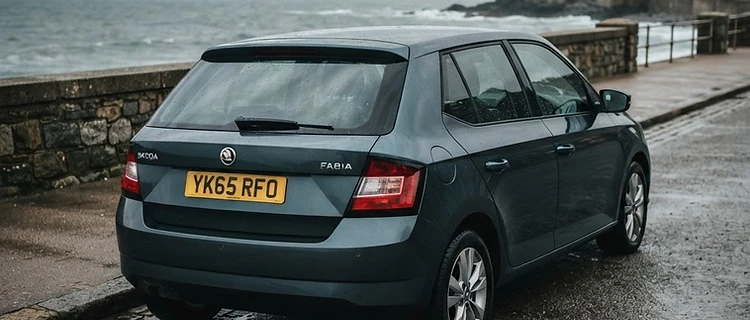
Used Skoda Fabia Mk3 (2014–2021) Buyer’s Guide: Reliability, 1.0 TSI Turbo Issues and DSG Faults
Introduction
The third-generation Skoda Fabia is one of the smartest supermini buys in the UK. It is roomy, easy to drive and usually cheaper than an equivalent Volkswagen Polo, despite sharing much of the same VAG Group engineering. For many buyers, that makes it the sweet spot of the class.
This used Skoda Fabia Mk3 buyer's guide focuses on what matters when money is on the line: Skoda Fabia Mk3 reliability, the reality of 1.0 TSI turbo issues, DSG automatic risks, and which versions are safest to own. If you are also weighing up other small VAG cars, our Used Volkswagen Polo Mk5 (2009–2017) Buyer’s Guide: Reliability, TSI Timing Chain and DSG Faults is a useful comparison.
Reliability and the best engines
In broad terms, the Fabia Mk3 is a reliable used car. It tends to age well, interior wear is usually modest, and major structural problems are uncommon. It also often scores strongly in owner satisfaction compared with some rivals.
The best choice depends on how you drive:
- 1.0 MPI manual: slow, but simple and cheap to run. Best for urban use.
- 1.0 TSI 95 manual: the best all-rounder. Enough punch for the motorway, usually sensible on fuel.
- 1.0 TSI 110 DSG: pleasant when healthy, but the gearbox adds risk.
- 1.4 TDI diesel: only worth considering for high annual mileage, and only if emissions-zone compliance suits your area.
If you are asking is a used Skoda Fabia Mk3 reliable, the answer is yes, with one caveat: buy on condition and history, not badge faith. A tidy manual petrol with evidence of proper servicing is normally a safer bet than a cheaper DSG car with patchy records.
1.0 TSI and DSG: what matters most
The 1.0 TSI is the engine most buyers want, and with good reason. It is smoother and stronger than the basic MPI unit, and real-world economy can still be impressive. But this is the engine family that deserves the closest inspection.
On some later cars, owners and specialists have reported Skoda Fabia Mk3 1.0 TSI turbo failure symptoms such as:
- loss of power under load
- EPC or engine warning lights
- limp-home mode
- whistling or unusual boost noises
- hesitation as the turbo should come on song
A failing turbo does not always explode dramatically; sometimes the car simply feels flat, especially in the mid-range. On a test drive, use full throttle in a higher gear and check for clean, consistent pull.
The DSG automatic is similarly appealing when it is working properly. Most Fabia Mk3 autos use the seven-speed dry-clutch DSG, which can feel slick on the move but less convincing in traffic. The common warning signs are low-speed shunt, a jerky take-up, delayed engagement when selecting drive or reverse, and dashboard transmission warnings.
For a broader view of VAG gearbox ownership, our Used Skoda Octavia (2013-2019) Buyer’s Guide: Reliability, DSG Gearbox Maintenance and High-Mileage Diesel Tips covers similar long-term themes.
Common Faults and Known Issues
These are the Skoda Fabia common faults worth checking on a used example:
- 1.0 TSI turbo problems: most serious on higher-mileage or poorly serviced cars. Symptoms include poor acceleration, warning lights and limp mode. Turbo replacement can easily become a four-figure bill.
- DSG hesitation or fault lights: some cars develop jerky low-speed behaviour or sensor/mechatronic issues. Minor software fixes are possible, but clutch or control-unit repairs can also run into four figures.
- Infotainment glitches: frozen screens, Bluetooth drop-outs and slow system responses are not rare. Annoying rather than fatal, but test every function.
- TPMS and electrical warnings: tyre-pressure alerts or intermittent warning lamps can stem from wheel-speed sensor faults or a weak battery.
- Suspension knocks: front drop links and bushes can wear, especially on rough-road cars. Usually not ruinous, but listen for clunks over speed humps.
- 2018 airbag recall: some cars were recalled over a passenger airbag gas generator issue. Confirm recall work has been completed.
Buying Advice
The best used Fabia is rarely the cheapest one. Look for a car that feels cared for, not just one with low mileage.
Prioritise:
- full or near-full service history
- regular oil changes, ideally annual
- matching quality tyres
- smooth clutch bite on manuals
- a DSG that behaves cleanly from cold and in stop-start traffic
- proof of recall completion
Be careful with the Skoda Fabia Mk3 timing belt replacement interval. The petrol turbo engines use a timing belt rather than a chain. Skoda service wording has varied by engine and year, so do not rely on vague seller claims that it is “lifetime”. Ask for invoices and confirm the correct interval for the exact engine code.
If you want the safest ownership bet, buy a manual. If you want the nicest balance of performance and economy, the 1.0 TSI 95 manual is the pick of the range.
Inspection Checklist
Before purchase, check:
- cold start for rattles, warning lights or uneven idle
- strong, smooth boost delivery from the 1.0 TSI
- DSG response in reverse, crawl traffic and hill starts
- infotainment, Bluetooth, USB and steering-wheel controls
- tyre wear across all four corners
- suspension noises on poor surfaces
- evidence of timing belt replacement where due
- service book, invoices and MOT history consistency
- whether all recall work has been completed
Ownership Costs
Skoda Fabia running costs UK are generally low. Insurance is usually reasonable, parts supply is good, and independent specialists know these cars well.
Expect roughly:
- 1.0 MPI: best suited to town use; economy often in the mid-40s mpg or better
- 1.0 TSI: commonly mid-40s to low-50s mpg in mixed driving
- 1.4 TDI: strongest economy on long runs, often comfortably above the petrols
Road tax depends on registration date, as pre-April 2017 cars sit under the older CO2-based system while later cars follow the newer flat-rate structure. Always check by registration rather than guessing. Servicing is usually affordable, but the bigger bills are predictable: timing belt work, tyres, brakes, and any turbo or DSG repair.
Frequently Asked Questions
Is the Skoda Fabia Mk3 a reliable used car?
Yes, generally it is. Manual petrol cars with solid history are usually dependable.
What are the most common problems with the Skoda Fabia Mk3?
Turbo issues on some 1.0 TSI cars, DSG hesitation or faults, infotainment glitches, warning-light niggles and suspension knocks.
Does the Skoda Fabia Mk3 have a timing belt or chain?
The turbo petrol engines use a timing belt. Check the service record for evidence of replacement when due.
Should I buy a manual or DSG automatic Skoda Fabia?
Manual is the lower-risk choice. DSG is pleasant, but only buy one that drives perfectly and has excellent history.
Are there any notable recalls?
Yes. Some 2018 cars were recalled for a passenger airbag issue, so verify recall completion.
Summary
The Fabia Mk3 is easy to recommend. It is practical, well packaged and, in the right specification, one of the better used superminis on the market. The standout buy is a well-maintained 1.0 TSI 95 manual. The car to approach more carefully is a cheap DSG automatic with limited history.
In short: buy carefully, check the timing belt record, test the turbo properly, and do not ignore gearbox hesitation.
Should You Get a Professional Vehicle Report?
If a Fabia looks promising but you want an extra layer of confidence, a Professional Vehicle Report from MyCarPilot can help. It is a £14.99 one-off check, built by automotive engineers and powered by specialist AI, cross-referenced with UK model and market data. You also get a 30-day Buying Companion for follow-up questions. If you want to know more about how it works, see the FAQ.
Frequently Asked Questions
About this guide: Produced by the MyCarPilot Engineering Team using UK market data, manufacturer technical bulletins and common owner-reported fault patterns. This is general buying guidance and does not replace a professional mechanical inspection.
Get Your Professional Vehicle Report
Before you travel to see any car, get the full picture. MyCarPilot analyses the documents and details you provide, cross-references them with UK model and market data, and tells you what is wrong, what it will cost, what to pay and what to inspect. All for a single payment of £14.99.
Start Your Vehicle ReportRelated Articles


Used Honda CR-V (Mk4, 2012–2018) Buyer’s Guide: Reliability, i-DTEC Diesel DPF Issues and Common Faults


Used Kia Picanto (JA, 2017–2023) Buyer’s Guide: Reliability, AMT Gearbox Quirks and Common Electrical Faults