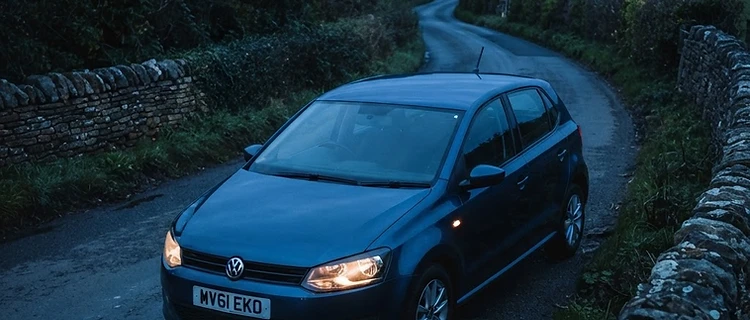
Used Volkswagen Polo Mk5 (2009–2017) Buyer’s Guide: Reliability, TSI Timing Chain and DSG Faults
Introduction
The Mk5 Volkswagen Polo, known internally as the 6R and later 6C facelift, is one of the most sensible superminis on the UK market. It feels solid, rides neatly and still looks tidy beside newer rivals. But this is not a used car you buy blindly.
If you are researching a used Volkswagen Polo Mk5 guide, the big issues are engine and gearbox choice. Pick well and the Polo is a durable, easy-to-live-with small hatch. Pick badly and an early 1.2 TSI or troublesome DSG can wipe out any bargain. This guide covers the reliable versions, the weak spots and the checks that matter before you buy.
Why the Polo Mk5 still appeals
The Polo’s strength is maturity. Compared with a similar-age Ford Fiesta or Vauxhall Corsa, it has a more grown-up cabin, better perceived quality and a refined motorway manner. It was also a five-star Euro NCAP car when new, which helps if you want a small hatch that does not feel cheap.
It is not the most entertaining supermini to drive. For that, read our Used Ford Fiesta buyer’s guide. But for commuting, first-car duties and mixed family use, the Polo remains one of the classier choices.
Best engines and gearboxes
For outright dependability, the safest bets are usually the simpler petrols. The older naturally aspirated 1.4 is widely regarded as the sturdier high-mileage option, while facelifted 1.0-litre petrols are generally a smarter modern choice than the early 1.2 TSI.
The engine to treat with caution is the early 1.2 TSI. These units used a timing chain and are well known for chain stretch, especially if oil changes were missed or the car has mostly done short trips. A tidy history helps, but it does not remove the risk.
The 2014 facelift improved matters. Later small petrols moved away from the troublesome chain set-up, and these cars are usually the ones I would shortlist first for a private buyer.
On gearboxes, the manual is the safer used buy. The DSG automatic suits the Polo well when healthy, but some cars suffer from mechatronic faults, clutch wear and jerky low-speed behaviour. As with many Volkswagen Group products, a cheap DSG car is rarely a cheap car for long. Our Used Volkswagen Golf Mk7 buyer’s guide covers similar automatic concerns on a larger sibling.
TSI timing chain and DSG: the big decision points
If you are asking is a used VW Polo Mk5 reliable, the honest answer is yes, but only in the right specification.
An early 1.2 TSI can sound fine on a warm viewing yet rattle briefly on a cold start. That metallic rattle is the warning sign buyers must not ignore. It can precede poor starting, an engine management light and, in worst cases, major internal damage.
DSG issues are different. They often show up in traffic: hesitation when moving off, shuddering, jolting on upshifts or a flashing PRNDS display. A proper road test from cold is essential. Avoid any seller who has already warmed the car up before you arrive.
If you want low-risk used Polo buying advice, a facelift petrol manual is the sweet spot. If you need an auto, buy the best-documented example you can find and keep money aside.
Common Faults and Known Issues
These are the main VW Polo 6R common problems seen on UK used cars:
- 1.2 TSI timing chain stretch: cold-start rattle, rough idle, engine light, poor starting. A timing chain repair is typically around £700 to £1,200 at an independent specialist; more if damage has already occurred.
- DSG mechatronic or clutch faults: jerky pull-away, hesitation, limp mode, warning lights. Repairs often land between £700 and £1,500 depending on whether it needs clutches, mechatronics or both.
- Suspension bush and drop-link wear: clonks over potholes, vague steering, uneven tyre wear. Usually not disastrous, but expect £150 to £350 depending on parts replaced.
- Electrical niggles: electric windows, central locking and infotainment glitches do crop up. These are often minor, but diagnosing intermittent faults can be time-consuming.
- Diesel EGR/DPF issues: mainly on short-run cars. If you do urban miles, a diesel Polo is usually the wrong choice unless you regularly give it a proper run.
None of these faults makes every Polo a bad buy. They simply mean specification and history matter more here than the badge alone suggests.
Buying Advice
For most UK buyers, I would prioritise:
- 2014-on facelift cars
- 1.0 petrols or a well-kept 1.4 petrol
- manual gearbox over DSG
- full service history with regular oil changes
- evidence of cambelt replacement on later belt-driven cars where due
Be cautious with:
- early 1.2 TSI cars with no proof of chain work or excellent servicing
- any DSG car with jerky shifts or warning lights
- cheap diesels used mainly in town
- modified examples, especially lower-end cars wearing GTI-style parts
The Polo makes a strong used VW Polo for first time buyers choice in smaller petrol manual form: easy to park, sensible to insure and generally tougher inside than many rivals. If reliability is your only priority, it is also worth comparing with our Used Toyota Yaris buyer’s guide.
Inspection Checklist
Before purchase, check:
- cold start for any chain rattle on 1.2 TSI cars
- DSG operation from cold, especially pull-away and low-speed shifts
- service history, not just a stamped book
- tyre wear across the front axle for suspension or alignment issues
- dashboard warning lights and all electrics
- signs of accident repair around bumper mounts, bonnet gaps and paint finish
- water ingress or damp smells inside
- ULEZ status if buying a diesel
On a test drive, the car should feel tight, quiet and more refined than a Corsa of the same age. If it feels loose or neglected, walk away.
Ownership Costs
Running costs are reasonable by small-car standards. Real-world fuel economy varies heavily by engine, driving style and route, but the modest petrols can be economical without the diesel complexity.
Insurance is usually low to mid-range on mainstream models, which helps younger drivers. Servicing at an independent garage is not usually expensive, though TSI and DSG repairs can be. Budget roughly for annual routine maintenance rather than chasing the cheapest example.
Road tax depends on registration date and CO2 output, so check the individual car. Most petrol Polo Mk5 models are ULEZ compliant. Diesels generally need to be later Euro 6 cars, usually from the facelift period onward.
Frequently Asked Questions
Is the Volkswagen Polo Mk5 a reliable used car?
Generally yes, but reliability depends heavily on the engine and gearbox. Simpler petrol manuals are the safest bet.
What are the most common problems with the VW Polo 2009-2017?
Early 1.2 TSI timing chain issues, DSG faults, suspension bush wear and occasional electrical glitches are the main ones.
Which engine is best for a used Volkswagen Polo?
For reliability, the older 1.4 petrol and the later facelift 1.0 petrols are usually the strongest choices.
Does the Polo Mk5 have a timing belt or chain?
It depends on the engine and year. Early 1.2 TSI cars used a timing chain; many later facelift petrols use a cambelt, which must be replaced on schedule.
Is the VW Polo Mk5 ULEZ compliant?
Most petrol models are. Diesels usually need to be late Euro 6 facelift cars, so always verify the specific registration.
Summary
A good Polo Mk5 is still one of the best used superminis in Britain: solid, refined and easy to recommend. The catch is that not all engines are equal.
If you want the safest route, buy a facelift petrol manual with strong history. Approach early 1.2 TSI cars carefully, and never buy a suspect DSG on price alone.
Should You Get a Professional Vehicle Report?
If you are looking at an early 1.2 TSI, a DSG automatic or a car with patchy history, a Professional Vehicle Report is money well spent. From MyCarPilot, the UK’s independent vehicle buying intelligence platform, it costs £14.99 as a one-off payment and includes a 30-day Buying Companion for follow-up questions. It is built by automotive engineers, powered by specialist AI and cross-referenced with UK model and market data. You can also read the FAQ before ordering.
Frequently Asked Questions
About this guide: Produced by the MyCarPilot Engineering Team using UK market data, manufacturer technical bulletins and common owner-reported fault patterns. This is general buying guidance and does not replace a professional mechanical inspection.
Get Your Professional Vehicle Report
Before you travel to see any car, get the full picture. MyCarPilot analyses the documents and details you provide, cross-references them with UK model and market data, and tells you what is wrong, what it will cost, what to pay and what to inspect. All for a single payment of £14.99.
Start Your Vehicle ReportRelated Articles


Used Honda CR-V (Mk4, 2012–2018) Buyer’s Guide: Reliability, i-DTEC Diesel DPF Issues and Common Faults

Used Kia Picanto (JA, 2017–2023) Buyer’s Guide: Reliability, AMT Gearbox Quirks and Common Electrical Faults