Used Toyota RAV4 (XA50, 2019–2026) Buyer’s Guide: Reliability, High-Voltage Cable Corrosion and Hybrid System Health
Introduction
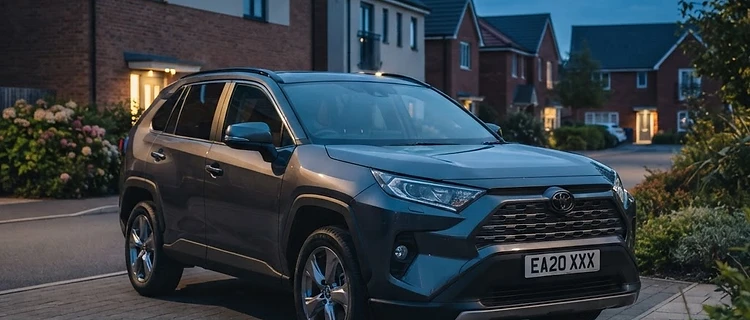
The Toyota RAV4 XA50 has become one of the safest used bets in the family SUV market. If you are researching used Toyota RAV4 2019-2026 reliability, the short answer is encouraging: this generation is generally robust, economical and easier to own than many turbo-petrol or diesel rivals.
That does not mean every car is trouble-free. UK buyers need to understand one issue in particular: RAV4 high voltage cable corrosion on AWD hybrid models. In this guide, I will cover what goes wrong, what to inspect, how the hybrid system should behave and which versions make the most sense used.
Reliability and model overview
The XA50 arrived in 2019 and, in UK-spec, is dominated by self-charging hybrids using Toyota’s 2.5-litre petrol-electric system. Most cars are Hybrid; later cars also include the Plug-in Hybrid. The hybrid engine uses a timing chain, not a belt, which is good news for long-term maintenance.
As a used buy, the RAV4’s strengths are clear: the naturally aspirated petrol engine is unstressed, the e-CVT hybrid transmission is usually very durable, and brake wear can be lower than on conventional SUVs because regenerative braking does part of the work. In reliability terms, it compares very well with mainstream alternatives such as the Used Nissan Qashqai (J11, 2014–2021) Buyer’s Guide: Reliability, 1.2 DIG-T Engine Issues and CVT Gearbox Faults and the Used Peugeot 3008 (Mk2, 2016–2023) Buyer’s Guide: Reliability, EAT6 Automatic Gearbox Shudder and Common Electrical Faults.
The key distinction is drivetrain. Front-wheel-drive hybrids avoid the rear motor cable issue seen on E-Four AWD cars, so if absolute risk reduction matters most, a FWD Hybrid is the simplest choice.
High-voltage cable corrosion: the issue to understand
The best-known Toyota RAV4 XA50 common problems story concerns the orange high-voltage cable on AWD hybrid models. This cable links the battery system to the rear electric motor in the E-Four AWD setup. On some cars, especially those exposed to winter salt and moisture, corrosion can develop around the connector area underneath the vehicle.
Why does this matter? Because corrosion here can trigger hybrid system warnings, illuminate dashboard messages and, in some cases, lead to costly repair work. This is the issue many buyers mean when they ask about Toyota RAV4 hybrid AWD cable corrosion symptoms.
Symptoms can include:
- Hybrid system warning messages
- Check engine or drivetrain-related warning lights
- Reduced confidence in EV-to-petrol transitions
- Fault codes detected during diagnostic inspection
Not every AWD RAV4 suffers from it, and condition varies hugely with mileage, climate, cleaning habits and previous dealer attention. But it is serious enough that any used AWD Hybrid should have its underside and cable area checked carefully. Ask for evidence of inspections, warranty work or recall/campaign-related dealer visits. If the seller cannot answer clearly, budget for a pre-purchase inspection.
Hybrid system health and what a good one feels like
Buyers often worry about Toyota RAV4 hybrid battery health, but in day-to-day used buying, the cable issue is usually a more immediate concern than the traction battery itself. Toyota’s hybrid systems have a strong reputation, and a healthy XA50 should feel exceptionally smooth.
On a test drive, look for seamless transitions between electric and petrol power. The engine may flare under hard acceleration, which is normal for this type of transmission, but it should not feel jerky, hesitant or full of warning messages. The battery charge display should move around naturally in traffic rather than staying pinned at empty or full for suspiciously long periods.
If you are wondering how to check hybrid battery health on used RAV4 models, the practical answer is to combine road-test behaviour, service history and a diagnostic scan. A seller’s claim that “the battery is perfect” means little without evidence. Toyota dealer history and hybrid health check paperwork are worth having.
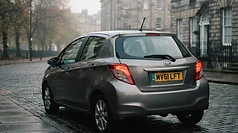
This broadly mirrors advice we give on smaller Toyota hybrids too, as in the Used Toyota Yaris (XP130, 2011–2020) Buyer’s Guide: Reliability, Hybrid Battery Health and Common Faults.
Common Faults and Known Issues
Here are the main Toyota RAV4 2019-2026 faults and watchpoints:
- High-voltage rear motor cable corrosion on AWD Hybrid models: the headline issue. Repair costs vary widely depending on goodwill, warranty support and whether related components are affected, so verify before purchase rather than guessing.
- Infotainment glitches: occasional pairing problems, lag or dropped phone connections. Test Apple CarPlay/Android Auto thoroughly.
- Recalls and service campaigns: there have been recalls affecting some RAV4s, including seatbelt anchorage and fuel pump-related concerns. Always check the VIN with Toyota before buying.
- Suspension and tyre wear: heavy SUVs can wear outer tyre shoulders if alignment is off. Uneven wear can point to kerb damage or neglected maintenance.
- Brake corrosion from light use: hybrids use friction brakes less, which helps pad life but can allow discs to corrode if the car has done lots of short, gentle trips.
- Interior wear: not a major fault, but family use often means scratched boot trims, tired seat bolsters and damaged load-area plastics.
Buying Advice
So, is the 2019 Toyota RAV4 a reliable used car? In most cases, yes. It is one of the more dependable family SUVs of its era.
Best bet for low-risk ownership: a well-maintained front-wheel-drive Hybrid with full Toyota or specialist service history. If you need AWD for towing or rural use, do not dismiss it, but inspect the high-voltage cable area carefully and favour cars with documented dealer checks.
Also decide whether you really need the Plug-in Hybrid. It is impressively quick and efficient when charged, but usually costs more to buy. For many used buyers, the standard Hybrid is the sweeter value proposition.
Compare it with rivals such as the Used Honda CR-V (Mk4, 2012–2018) Buyer’s Guide: Reliability, i-DTEC Diesel DPF Issues and Common Faults or Used Mazda CX-5 (KF, 2017–2024) Buyer’s Guide: Reliability, Skyactiv-D DPF Issues and Cylinder Deactivation Faults and the Toyota still stands out for mechanical simplicity.
Inspection Checklist
- Confirm whether the car is FWD Hybrid, AWD Hybrid or Plug-in Hybrid.
- Check full service history, not just stamped intervals.
- Inspect the underside for corrosion, especially around the AWD high-voltage cable connector.
- Run a proper diagnostic scan for stored hybrid and drivetrain fault codes.
- On test drive, make sure power delivery is smooth and warning-free.
- Test infotainment, Bluetooth and smartphone mirroring.
- Check tyre brand, tread pattern and wear consistency across the axle.
- Inspect brake discs for heavy lipping or corrosion.
- Verify outstanding recalls with Toyota using the VIN.
- Check MOT history for repeat advisories; UK buyers can use DVSA records for patterns.
Ownership Costs
Running costs are usually sensible for a car of this size. Real-world fuel economy depends on journey type, but the standard Hybrid is typically efficient around town and on mixed driving. Exact mpg varies too much by version and use to quote one figure confidently here.
Servicing costs are normally moderate rather than bargain-basement. The absence of a timing belt helps, and the hybrid system reduces wear on brakes. Insurance is average to slightly above average for a family SUV. Road tax depends on registration date and list price, so check the individual car.
If you are cross-shopping electrified alternatives, our Used Hyundai Ioniq (2017–2022) Buyer’s Guide: Reliability, 12V Battery Issues and Hybrid System Health shows how hybrid ownership costs can differ by type.
Frequently Asked Questions
Is the 2019-2026 Toyota RAV4 reliable?
Yes. The XA50 is widely regarded as one of the more reliable used family SUVs, provided it has been serviced correctly and checked for AWD cable corrosion where relevant.
What is the high-voltage cable issue on the RAV4?
On AWD hybrid models, the cable to the rear electric motor can corrode due to moisture and road salt exposure, potentially causing warning lights and expensive repairs.
Does the Toyota RAV4 hybrid have a timing belt or chain?
It uses a timing chain. With correct oil changes, it is designed to last the life of the engine.
What should I check during a test drive?
Look for smooth petrol-electric transitions, no warning lights, stable infotainment connection and no hesitation or driveline alerts.
Are used RAV4 hybrids expensive to maintain?
Usually not. They are often cheaper to maintain than many turbocharged rivals, though AWD cable issues can be costly if ignored.
Summary
The XA50 RAV4 is a very strong used SUV: practical, refined and generally dependable. For most buyers, the safest choice is a front-wheel-drive Hybrid with complete history. AWD hybrids are still worth considering, but only if the RAV4 high voltage cable corrosion risk has been properly checked.
Should You Get a Professional Vehicle Report?
If you are close to buying, a Professional Vehicle Report from MyCarPilot can help you sense-check the advert, specification, known model risks and ownership red flags for £14.99. It is built by automotive engineers, powered by specialist AI and includes a 30-day Buying Companion for follow-up questions. For broader purchase questions, see the FAQ.
Frequently Asked Questions
About this guide: Produced by the MyCarPilot Engineering Team using UK market data, manufacturer technical bulletins and common owner-reported fault patterns. This is general buying guidance and does not replace a professional mechanical inspection.
Get Your Professional Vehicle Report
Before you travel to see any car, get the full picture. MyCarPilot analyses the documents and details you provide, cross-references them with UK model and market data, and tells you what is wrong, what it will cost, what to pay and what to inspect. All for a single payment of £14.99.
Start Your Vehicle ReportRelated Articles


Used BMW 3 Series (F30, 2012–2019) Buyer’s Guide: Reliability, N47/B47 Timing Chain Issues and xDrive Faults

Used Volkswagen Polo (Mk5 Facelift, 2014–2017) Buyer’s Guide: Reliability, 1.2 TSI Timing Issues and DSG Gearbox Faults