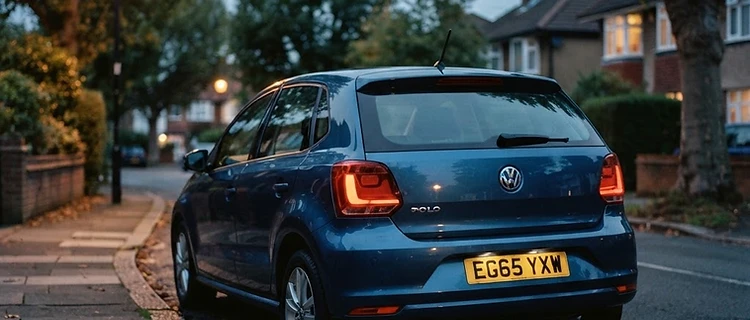
Used Volkswagen Polo (Mk5 Facelift, 2014–2017) Buyer’s Guide: Reliability, 1.2 TSI Timing Issues and DSG Gearbox Faults
Introduction
The facelifted Volkswagen Polo, known internally as the 6C, is one of the safer small-car bets on the used market. It feels solid, drives with more polish than many rivals and, crucially, improved on several weak spots from the earlier 6R. For UK buyers, though, one question keeps coming up: is the 2015 VW Polo reliable, and are the 1.2 TSI and DSG models worth the risk?
This used Volkswagen Polo 2014-2017 buyer's guide explains what changed, where the trouble spots are, and what to check before you buy.
6C vs 6R: why this facelift matters
The 2014 facelift did more than refresh the lights and trim. The big mechanical change was the move to Volkswagen Group's EA211 petrol engines in many versions, replacing older units associated with timing chain headaches. If you've read our Used Volkswagen Golf Mk6 (2008–2013) Buyer’s Guide: Reliability, TSI Timing Chain Issues and DSG Gearbox Faults, you'll know why that matters.
For most buyers, VW Polo 6C reliability is notably better than the older 6R's reputation suggests. Cabin quality is strong, corrosion protection is generally good and manual gearboxes tend to be durable. Late 2014 and early 2015 cars can still confuse owners because some paperwork refers to 6R/6C inconsistently, so verify by VIN, engine code and facelift features.
Engines and gearboxes: what to choose
The sweet spot is usually the 1.2 TSI petrol, especially for mixed driving. It offers enough punch for motorway work without the higher costs of larger engines. Importantly, the Polo 1.2 TSI common problems are usually more manageable than the old chain-driven issues from earlier Volkswagens.
A key point for buyers searching "VW Polo 6C timing chain or belt": the 1.2 TSI in this facelifted model uses a timing belt, not the troublesome timing chain seen on some earlier TSI engines. That does not mean "fit and forget". Belt condition and service history still matter, and on an older supermini, proof of proper maintenance is worth more than a shiny valet.
Manual cars are the lower-risk option. The 7-speed DQ200 DSG is pleasant when healthy, but Polo DSG gearbox issues are well known across the wider Volkswagen Group range. It suits drivers who want an easy urban car, yet it is less tolerant of neglect and repeated stop-start use than a conventional torque-converter automatic.
On the road and in daily use
A good Polo 6C feels mature for a supermini. Steering is light but accurate, refinement is decent and the interior wears mileage well if it has been looked after. Ride quality on smaller wheels is better than on big alloys, which can also be more prone to kerb damage and tyre costs.
This is also a sensible step up from city cars such as the Used Toyota Aygo (Mk2 AB40, 2014–2021) Buyer’s Guide: Reliability, Clutch Wear and Water Leaks, but it is not quite as foolproof as a Used Toyota Yaris (XP130, 2011–2020) Buyer’s Guide: Reliability, Hybrid Battery Health and Common Faults if absolute low-risk ownership is your priority.
Common Faults and Known Issues
Here are the faults I would specifically screen for on a used VW Polo buying advice inspection:
- Turbo wastegate rattle on 1.2 TSI: often heard at low rpm or on light throttle. Some cars do it for years without worsening, but it needs proper diagnosis to rule out turbo wear. Turbo replacement can run into four figures fitted.
- Coil pack and spark plug issues: misfires under load, rough idle or engine warning lights are common symptoms. Usually not catastrophic, but worth budgeting roughly low hundreds rather than thousands.
- Water pump or thermostat housing leaks: look for pink coolant residue and a dropping coolant level.
- DQ200 DSG faults: jerky take-up, hesitation when pulling away, flashing transmission warnings or thumps during shifts can point to mechatronic trouble or clutch pack wear. Repairs vary massively; expect anything from a software update to well over £1,000.
- Air-conditioning faults: weak cooling may be a simple regas, but condensers and compressors do fail.
- Electrical glitches: parking sensors, infotainment freezing and window switch faults crop up, though usually not at epidemic levels.
- Suspension knocks: front drop links and bushes wear on UK roads. Listen over speed humps and broken surfaces.
If possible, scan the car with VCDS Diagnostic equipment or equivalent. Even if no warning lights are showing, stored gearbox or engine codes can reveal a lot.
Buying Advice
What to check when buying a used VW Polo? Start with history, not paintwork. A stamped book helps, but invoices are better. Look for evidence of routine servicing, correct oil specification and brake fluid changes. On DSG cars, be extra cautious if the seller cannot explain past gearbox work or software updates.
I'd favour a well-kept manual 1.2 TSI over a neglected DSG every time. Cars sold through Volkswagen's Das WeltAuto scheme may offer reassurance, but condition still matters more than branding.
Avoid examples with:
- uneven idle or misfire when cold
- delayed DSG engagement selecting Drive or Reverse
- coolant loss with no explanation
- poor-quality tyres on one axle and a thin history file
- multiple warning lights recently cleared
Inspection Checklist
- Confirm whether it is a 6C facelift by VIN and engine details
- Check service history and supporting invoices
- Inspect timing belt service evidence where applicable
- Listen for wastegate rattle on a warm restart and low-speed drive
- Ensure the engine pulls cleanly with no hesitation
- Test the DSG from cold and hot; shifts should be smooth and prompt
- Check air-con blows properly cold
- Test parking sensors, infotainment, electric windows and central locking
- Inspect alloy wheels, tyre brands and inner shoulder wear
- Look underneath for coolant staining or oil seepage
- During the test drive, watch for steering pull, suspension knocks and brake vibration
Ownership Costs
Used VW Polo running costs UK buyers can expect are reasonable rather than class-leading. The 1.2 TSI is typically efficient in real-world use, though actual mpg depends heavily on trip length and wheel size. Insurance is usually sensible for the class, parts supply is strong and independent specialists know these cars well.
Road tax varies by exact engine and registration date, so check the individual car rather than assuming. Routine servicing is affordable at independents, but DSG faults can wipe out any saving if you buy badly. That is why pre-purchase diligence matters so much on these.
Frequently Asked Questions
Is the 2014-2017 VW Polo (6C) reliable?
Generally yes. It is usually more dependable than the earlier 6R, particularly because later petrol engines addressed older timing chain concerns.
Does the 1.2 TSI have a timing belt or chain?
In the 2014-2017 Polo 6C, the 1.2 TSI uses a timing belt. Check service records and inspect according to the manufacturer's schedule.
What are the common faults with VW Polo 1.2 TSI?
Turbo wastegate rattle, misfires from ignition components, and occasional coolant leaks from the water pump or thermostat housing are among the more common issues.
What are the main Polo DSG gearbox issues?
The DQ200 DSG can suffer mechatronic faults, clutch wear, hesitation and jerky low-speed operation, especially on urban cars.
How can I tell if my Polo is a 6R or 6C?
The 6C is the 2014 facelift. Check the VIN, engine code, infotainment design and facelift trim details rather than relying on seller description.
Summary
The facelifted Polo 6C is a smart used supermini: solid, grown-up and generally improved where it counts. For most buyers, the safest pick is a manual 1.2 TSI with strong history and no signs of coolant or turbo trouble. DSG cars are enjoyable, but only buy one that drives perfectly and has evidence of careful maintenance.
Should You Get a Professional Vehicle Report?
If you're comparing a few Polos and want a calmer decision, a Professional Vehicle Report from MyCarPilot can help put the history, common risks and likely ownership concerns into context. It costs £14.99 as a one-off payment and includes a 30-day Buying Companion for follow-up questions. For more about how it works, see the FAQ.
Frequently Asked Questions
About this guide: Produced by the MyCarPilot Engineering Team using UK market data, manufacturer technical bulletins and common owner-reported fault patterns. This is general buying guidance and does not replace a professional mechanical inspection.
Get Your Professional Vehicle Report
Before you travel to see any car, get the full picture. MyCarPilot analyses the documents and details you provide, cross-references them with UK model and market data, and tells you what is wrong, what it will cost, what to pay and what to inspect. All for a single payment of £14.99.
Start Your Vehicle ReportRelated Articles

Used Toyota Yaris (XP130, 2011–2020) Buyer’s Guide: Reliability, Hybrid Battery Health and Common Faults

Used Hyundai Ioniq (2017–2022) Buyer’s Guide: Reliability, 12V Battery Issues and Hybrid System Health