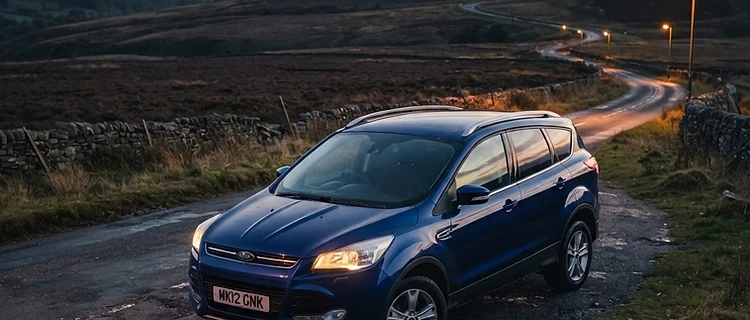
Used Ford Kuga Mk2 (2012–2019) Buyer’s Guide: Reliability, PowerShift Issues and Common Faults
Introduction
The second-generation Ford Kuga is one of the better-used family SUVs to drive, with tidy handling, a sensible cabin and strong availability in the UK market. But not every Kuga Mk2 is a smart buy. Engine and gearbox choice matters more here than on many rivals.
This used Ford Kuga Mk2 buyer's guide focuses on the cars worth shortlisting, the ones to approach carefully, and the faults that can turn a cheap Kuga into an expensive mistake.
Which Kuga Mk2 should you buy?
If you want the safest all-round bet, start with the 2.0 TDCi diesel and a manual gearbox. In UK use, it is usually the strongest mix of reliability, torque and fuel economy. The 150hp version is ample for most buyers, while FWD cars are simpler and cheaper to run than AWD models.
Petrol Kugas are quieter and suit low-mileage use, but they need more scrutiny. Early 1.6 EcoBoost cars carry the greatest risk because of well-documented cooling-system problems. Later 1.5 EcoBoost models are better, especially facelift cars, but you still want proof that all recall work has been completed and that coolant level checks have not been ignored.
Trim-wise, Titanium is the sweet spot. It usually brings the kit most UK buyers want without the bigger wheels and cosmetic extras that can raise tyre and suspension costs.
The 2016 facelift is worth knowing about. It brought a revised front end, updated infotainment on many cars, fresher interior trim and some engine-line-up changes. If budget allows, facelift cars generally feel newer inside and are often the better used buy.
PowerShift and AWD: the big-ticket risks
The headline issue on the Kuga is the PowerShift automatic. When maintained properly it can feel smooth enough, but skipped servicing is a serious red flag. Ford's transmission fluid change interval is typically every 3 years or 37,500 miles, and a surprising number of used examples have no proof it was done.
If you are wondering how to tell if a Kuga PowerShift gearbox is failing, look for jerky pull-away, hesitation when selecting Drive or Reverse, clunky low-speed shifts, shuddering under light throttle, or a gearbox warning message. A healthy car should feel clean and consistent from cold.
The Kuga's Intelligent AWD system is useful in poor weather, but it adds complexity. Listen for whines or droning from underneath, check for leaks around the driveline, and be wary of cars on mixed or heavily mismatched tyres. On AWD SUVs, uneven rolling diameters can place extra strain on the system over time.
If you are cross-shopping rivals, our Used Nissan Qashqai J11 Buyer’s Guide is a useful comparison point.
Common Faults and Known Issues
- PowerShift gearbox problems: poor servicing can lead to jerky changes, clutch wear, mechatronic faults or complete failure. A fluid service is far cheaper than a repair; expect roughly £250-£400 for routine transmission servicing, but £1,200-£2,500+ if major gearbox work is needed.
- 1.6 and 1.5 EcoBoost coolant leaks: this is the fault most buyers ask about. Symptoms include coolant loss, overheating, sweet smells, warning lights and poor heater performance. Minor leaks may be hoses or housings, but neglected cars can suffer severe engine damage. Check recall history carefully.
- 2.0 TDCi EGR/DPF trouble: mostly linked to short-trip use. Warning lights, limp mode, poor regeneration and smoky running all deserve attention. A motorway test drive helps; a diesel used only for local runs is a bigger gamble.
- AWD system faults: warning messages, vibration, whining from the rear or a feeling that the system is not engaging properly can point to coupling, differential or related driveline issues. Costs vary widely, but bills can quickly move into the high hundreds or more.
- Suspension wear: front drop links, bushes and occasionally wheel bearings are consumable items on heavier SUVs. Knocks over broken roads are common clues.
- Electrical niggles: parking sensors, infotainment glitches, weak batteries and keyless-entry faults do appear, though these are usually less serious than engine or gearbox issues.
For another used buy where gearbox history matters, see our Used Volkswagen Golf Mk7 Buyer’s Guide.
Buying Advice
For most UK buyers, the best-value Kuga Mk2 is a 2.0 TDCi 150 manual in Titanium trim, ideally with full service history and evidence of regular longer journeys if it is a higher-mileage diesel.
A facelift 1.5 EcoBoost manual can also make sense for lower annual mileage, but only if the recall record is clear and the cooling system shows no warning signs.
I would avoid:
- PowerShift cars with missing gearbox service invoices
- early 1.6 EcoBoosts with patchy history
- neglected AWD examples
- bargain cars with cheap mixed tyres and warning lights already showing
Inspection Checklist
- Check the service book and invoices, not just dealer stamps
- Confirm PowerShift fluid changes by date and mileage
- Verify outstanding recalls with Ford
- Inspect coolant level, header tank condition and signs of overheating
- Test drive from cold and at town speeds for gearbox shunt or hesitation
- On diesels, check for DPF warnings and poor low-speed running
- Listen for AWD or wheel-bearing drone at 30-50mph
- Make sure all four tyres match in size and have even wear
- Check infotainment, sensors, windows and air conditioning
Ownership Costs
Running costs are reasonable if you buy the right version. In real UK driving, a 2.0 TDCi often returns low-to-mid 40s mpg, while a 1.5 EcoBoost is more likely in the mid 30s. AWD and automatics use more fuel.
Road tax varies by registration date and emissions band, so check the specific car rather than assuming. Insurance is usually mid-range for the class, but higher-powered diesels and sportier trims will cost more.
Routine annual servicing at a good independent specialist is often around £250-£400, with brakes and tyres on top. The 2.0 TDCi cambelt is commonly quoted at up to 10 years or 125,000 miles, but many UK specialists prefer earlier replacement for peace of mind.
Frequently Asked Questions
Is the Ford Kuga Mk2 reliable?
It can be, but reliability varies sharply by engine and gearbox. Manual 2.0 TDCi cars are usually the safest bet.
Should I avoid the Ford Kuga PowerShift automatic?
Not automatically, but only buy one with full evidence of gearbox oil services. No proof, no deal.
What is the Kuga 1.5 EcoBoost coolant leak issue?
Some cars suffered cooling-system faults that could lead to overheating and, in severe cases, engine damage. Recall history is essential.
Does every Kuga Mk2 have four-wheel drive?
No. Many are front-wheel drive. AWD was fitted mainly to stronger diesel versions.
Is the Ford Kuga a good used car?
Yes, if you choose carefully. The good ones are roomy, pleasant to drive and widely available; the wrong ones can be costly.
Summary
The Kuga Mk2 is a likeable and capable used SUV, but it is not a car to buy casually. In simple terms: 2.0 TDCi manual good, poorly maintained PowerShift risky, early EcoBoost petrols need proper recall checks. Buy on history and condition, not price alone.
Should You Get a Professional Vehicle Report?
If a Kuga looks tempting but you are unsure about gearbox history, recalls or whether the advert really adds up, a Professional Vehicle Report from MyCarPilot is a sensible extra step. It costs £14.99 as a one-off payment and includes a 30-day Buying Companion for follow-up questions. If you want to understand how it works, the FAQ covers the basics clearly.
Frequently Asked Questions
About this guide: Produced by the MyCarPilot Engineering Team using UK market data, manufacturer technical bulletins and common owner-reported fault patterns. This is general buying guidance and does not replace a professional mechanical inspection.
Get Your Professional Vehicle Report
Before you travel to see any car, get the full picture. MyCarPilot analyses the documents and details you provide, cross-references them with UK model and market data, and tells you what is wrong, what it will cost, what to pay and what to inspect. All for a single payment of £14.99.
Start Your Vehicle ReportRelated Articles

Used Nissan Qashqai (J11, 2014–2021) Buyer’s Guide: Reliability, 1.2 DIG-T Engine Issues and CVT Gearbox Faults

Used Volkswagen Golf Mk6 (2008–2013) Buyer’s Guide: Reliability, TSI Timing Chain Issues and DSG Gearbox Faults