Used Nissan Juke (F15, 2010–2019) Buyer’s Guide: Reliability, CVT Gearbox Issues and Common Faults
Introduction
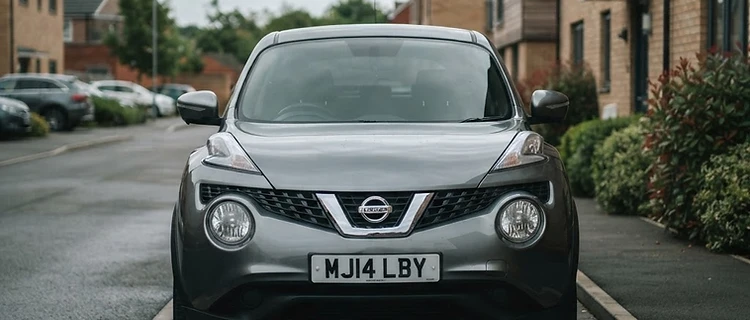
The first Nissan Juke changed the small SUV market in Britain. Its looks were divisive, but buyers loved the raised driving position, compact footprint and easy-running costs. As a used buy, though, the F15 Juke needs careful choosing. Some versions are dependable, others carry well-known engine and gearbox risks.
This guide explains used Nissan Juke reliability, the engines to target, the CVT gearbox issues to understand, and the faults that matter most before you buy.
Is a Used Nissan Juke Reliable?
In broad terms, the Juke is average rather than class-leading. The good news is that the basic car is usually sturdy: suspension, steering, cabin trim and electrics are rarely ruinous. The bad news is that reliability varies sharply by engine and gearbox.
The safest mainstream choice is the 1.6-litre naturally aspirated petrol with a manual gearbox. It is not especially quick, but it is usually the least troublesome and best suited to short trips.
The 1.5 dCi diesel can also be a solid high-mileage option, with strong economy, but only if it has been used properly. Lots of short urban runs can bring DPF trouble, as with many diesels of this era. If you are comparing similar Renault-Nissan products, our used Nissan Qashqai J11 guide covers related 1.2 DIG-T and CVT concerns.
The versions that deserve most caution are the 1.2 DIG-T petrol and automatic models with Nissan’s Xtronic CVT transmission.
Best Engines and Gearboxes
If your priority is reliability, keep it simple.
Best all-rounder: 1.6 petrol manual. It is old-school in a good way: fewer expensive weak points, modest servicing costs and decent suitability for mixed driving.
Best for economy: 1.5 dCi manual. Expect strong mpg if you do regular A-road or motorway miles. Check whether the specific car is Euro 6 compliant if you need clean-air zone peace of mind, as not every diesel Juke is.
Proceed carefully: 1.2 DIG-T petrol. This engine is known for oil consumption, timing chain wear and occasional turbo-related expense. A full history with regular oil changes matters more here than on most Jukes.
Least desirable for risk-averse buyers: CVT automatic. A healthy CVT can feel smooth around town, but neglected examples can hesitate, flare revs or fail outright. Many problems stem from missed fluid changes, because some owners were wrongly led to believe the transmission was sealed for life.
A facelifted car with a clear service trail is usually a better bet than an early, patchily maintained example. Condition and history matter more than trim level.
What the Juke Is Like to Live With
The Juke remains easy to place in town and cheap to buy, but it is not a spacious family car. Rear seat space is tight and visibility over the shoulder is not brilliant. Cabin plastics are hard-wearing rather than plush.
That said, most owners buy a Juke for style, easy access and a higher seating position, not class-leading practicality. If you want more rear space and a more conventional cabin, a rival such as the Renault Captur may suit better. If you want maximum reliability over flair, a supermini alternative such as the used Toyota Yaris XP130 guide is worth a look.
Common Faults and Known Issues
These are the Nissan Juke common faults worth checking closely:
- CVT gearbox problems: hesitation when pulling away, revs rising without matching acceleration, shuddering, delayed drive engagement or warning lights. A fluid change may help if caught early, but rebuilds or replacement can run from roughly £2,000 to £3,000.
- 1.2 DIG-T timing chain wear: listen for rattling on cold start, uneven idle or engine management lights. Replacement is often a four-figure job, commonly around £900 to £1,500 depending on parts and labour.
- 1.2 DIG-T oil consumption: check the dipstick before and after a test drive if possible, and ask how often oil has needed topping up. Cars run low on oil can suffer bigger engine damage.
- Turbocharger issues on turbo petrols: symptoms include lack of boost, smoke, whistling or limp mode. Costs vary, but a turbo repair is rarely cheap.
- Diesel DPF blockage: frequent fan running, warning lights, poor performance or repeated regeneration attempts suggest trouble. A forced regeneration may be affordable; a replacement DPF is much more painful.
- Timing chain noise on higher-mileage petrols: not every chain rattle means immediate failure, but it should never be ignored.
- Electrical glitches: NissanConnect screens can freeze, reverse cameras can fail and keyless entry can play up. Usually annoying rather than catastrophic, but use faults as bargaining points.
- Suspension wear: front drop links and bushes can knock over rough roads. This is common wear-and-tear, not a Juke-specific disaster.
Buying Advice
Buy on history, not just mileage. A 90,000-mile Juke with annual servicing, gearbox oil changes and a tidy MOT record is often safer than a 45,000-mile car that has been skipped through maintenance.
For most buyers, the sweet spot is a facelifted 1.6 petrol manual. If you need diesel economy, buy the 1.5 dCi only if your driving pattern suits a diesel. Unless you specifically want an automatic and have proof of proper CVT servicing, a manual is the smarter choice.
Be wary of modified cars, especially Nismo-flavoured examples driven hard. Also check for accident repairs: the Juke’s bumpers, lights and body trim are expensive enough that poor cosmetic fixes are not unusual.
Inspection Checklist
Before purchase, check:
- Cold-start behaviour: any chain rattle, smoke or warning lights
- CVT operation: smooth pull-away, no slipping, no delay selecting drive
- Service history: annual oil changes, correct grade oil, evidence of CVT fluid changes
- MOT history: repeated advisories for tyres, suspension, brakes or emissions
- Diesel behaviour: no DPF warnings, no limp mode, no excessive soot
- Infotainment, camera, air conditioning and keyless functions
- Uneven tyre wear, which can hint at poor alignment or suspension wear
- Signs of crash repair around the front end and rear quarters
Ownership Costs
Running costs are generally reasonable. Parts supply is good in the UK and independent specialists know the car well.
Fuel economy depends heavily on engine and use, but broadly expect mid-30s mpg from the 1.6 petrol, low-40s from a healthy 1.2 DIG-T, and 50mpg or better from the 1.5 dCi on longer runs. Insurance is usually moderate rather than cheap, with sporty trims costing more.
Road tax varies by year and emissions, so check the exact registration before buying. Servicing is affordable, but major jobs are the catch: CVT repairs and timing chain work can be expensive relative to the car’s value.
Frequently Asked Questions
Is a used Nissan Juke reliable?
Some are. The 1.6 petrol manual and many well-used 1.5 dCi diesels are decent, but the 1.2 DIG-T and CVT automatic have a weaker record.
What are the most common problems with a Nissan Juke?
CVT hesitation or failure, 1.2 DIG-T timing chain wear, oil consumption, turbo issues, DPF blockage on diesels and minor electrical faults.
Should I avoid the 1.2 DIG-T engine?
Not automatically, but only buy with excellent history and evidence of careful oil servicing. If you want the lower-risk option, choose the 1.6 petrol.
How long does a Juke CVT gearbox last?
There is no guaranteed lifespan. Some show problems from 40,000 to 60,000 miles, especially without fluid changes. A smooth test drive and documented maintenance are essential.
Which is the best engine for a used Nissan Juke?
For reliability, the 1.6 non-turbo petrol is the safest bet. For heavy motorway use, the 1.5 dCi can make sense.
Summary
The F15 Nissan Juke can still be a smart used crossover buy, but only in the right spec. If you want dependable, low-drama ownership, the 1.6 petrol manual is the pick of the range. The 1.5 dCi suits long-distance drivers, while the 1.2 DIG-T and CVT automatic demand much more caution.
In short: buy a well-maintained manual, check history carefully, and do not ignore early warning signs from engine or gearbox.
Should You Get a Professional Vehicle Report?
If you are down to a specific car, a Professional Vehicle Report can help you sense-check the risk before you commit. MyCarPilot is the UK’s independent vehicle buying intelligence platform, built by automotive engineers and powered by specialist AI cross-referenced with UK model and market data. A report costs £14.99 as a one-off payment and includes a 30-day Buying Companion for follow-up questions. If you want to know how it works, the FAQ covers the basics without the sales pitch.
Frequently Asked Questions
About this guide: Produced by the MyCarPilot Engineering Team using UK market data, manufacturer technical bulletins and common owner-reported fault patterns. This is general buying guidance and does not replace a professional mechanical inspection.
Get Your Professional Vehicle Report
Before you travel to see any car, get the full picture. MyCarPilot analyses the documents and details you provide, cross-references them with UK model and market data, and tells you what is wrong, what it will cost, what to pay and what to inspect. All for a single payment of £14.99.
Start Your Vehicle ReportRelated Articles


Used Nissan Qashqai (J11, 2014–2021) Buyer’s Guide: Reliability, 1.2 DIG-T Engine Issues and CVT Gearbox Faults


Used Volkswagen Golf Mk6 (2008–2013) Buyer’s Guide: Reliability, TSI Timing Chain Issues and DSG Gearbox Faults