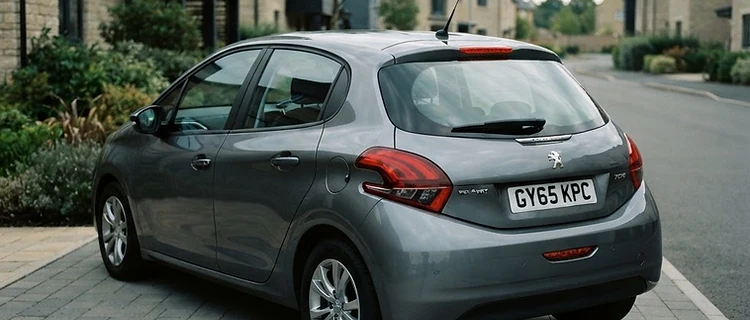
Used Peugeot 208 (2012–2019) Buyer’s Guide: Reliability, PureTech Wet Belt Issues and Common Faults
Introduction
The first-generation Peugeot 208 is easy to like. It is light, stylish and cheap to run, and in the right spec it still feels fresh today. But a good used 208 and a bad one can be very different cars. Service history matters, engine choice matters, and one issue in particular matters most: the 1.2 PureTech wet timing belt.
This guide covers what goes wrong on the 2012-2019 Peugeot 208, which engines are worth targeting, what ownership costs look like in the UK, and how to avoid an expensive mistake.
Which used Peugeot 208 should you buy?
For most buyers, the sweet spot is a facelifted 2015-on car with a full service record. The range was broad, from basic 1.0 and 1.2 petrols to the 1.6 BlueHDi diesel and warm GTi models.
If you mainly drive in town, the 1.2 PureTech petrol is the most common choice and feels far stronger than the older non-turbo units. The catch is that it needs correct oil, timely servicing and proof that the belt has been inspected or replaced when required. Buy one with gaps in the history and you are taking a gamble.
If you do regular motorway miles, the 1.6 BlueHDi is usually the more durable bet. It is economical and well suited to high-mileage work, although like any modern diesel it needs proper use to keep the DPF healthy. For buyers comparing small hatches, it is a different ownership proposition to a Used Ford Fiesta (Mk7/Mk8, 2008–2017) Buyer’s Guide: Reliability, EcoBoost Wet-Belt Issues and Common Faults or a Used Vauxhall Corsa E (2014–2019) Buyer’s Guide: Reliability, IntelliLink Faults and Common Issues: the Peugeot feels more distinctive, but engine history is absolutely critical.
Engines, gearboxes and the wet belt question
The headline issue on the 208 is the PSA Group 1.2 PureTech engine's wet timing belt. Unlike a conventional dry belt, it runs in oil. Over time, especially with missed services or incorrect oil, the belt can degrade. Debris can then block the oil pick-up strainer, reduce oil pressure and, in the worst case, cause major engine damage.
That does not mean every PureTech is bad. It means you should only buy one with evidence of diligent maintenance. Ask for invoices, not just a stamped book. Look for proof of the correct oil grade and any belt inspection or replacement.
On gearboxes, a manual 208 is usually the safest buy. Some older automatics use Peugeot's automated manual system, often called ETG or 2-Tronic depending on version. These can feel slow and jerky even when working properly, and clutch or actuator wear can make them worse. Later EAT6 torque-converter autos are much better and generally more robust, provided they shift cleanly and do not flare or thump.
Is a used Peugeot 208 reliable?
In broad terms, Peugeot 208 reliability in the UK is mixed rather than disastrous. The car itself is simple, light and not especially complex by modern standards. Body corrosion is rarely a major concern, cabins tend to wear reasonably well, and routine servicing is not ruinous.
What drags the score down are recurring weak points: the PureTech belt issue, occasional touchscreen failures, electrical glitches and some gearbox complaints. A well-maintained 208 can be a smart used buy; a neglected one can quickly stop being cheap.
ULEZ compliance is usually straightforward. Most petrol 208s from this era are compliant, while diesels generally need to be Euro 6, typically from September 2015 onwards. Do not assume: check the exact registration before you buy.
Common Faults and Known Issues
- 1.2 PureTech wet belt degradation: Warning signs include low oil pressure warnings, rough running, engine noise or poor service history. A precautionary belt job can be around £700-£1,200 at an independent, but engine damage can cost far more.
- Touchscreen/SMEG infotainment faults: Freezing, unresponsive menus, loss of Bluetooth or a blank screen are common complaints. A software update may help; replacement or refurbishment can be roughly £300-£700 depending on the unit.
- Jerky automatic gearbox behaviour: Commoner on ETG automated manuals. Hesitation when pulling away can be characteristic, but severe shunting or warning lights need investigation.
- Steering column stalk faults: Indicator or lighting stalk issues do occur. Repair cost varies widely depending on whether a used or new unit is fitted.
- Suspension wear: Front drop links and bushes can knock on rough roads. Usually not a deal-breaker, but worth budgeting for on higher-mileage cars.
- Clutch wear on manuals: A high bite point, slip under load or a heavy pedal suggests expense ahead. Typical replacement costs vary, but often sit in the mid-hundreds at an independent garage.
Buying Advice
Buy on condition and history, not just mileage. A 90,000-mile car with detailed invoices is a better prospect than a 50,000-mile example with patchy servicing.
Ideally, choose:
- a facelifted 2015-on car
- a manual gearbox, unless you specifically want the later EAT6 auto
- a 1.6 BlueHDi for long-distance use
- a 1.2 PureTech only with excellent maintenance evidence
Be cautious around cheap cars being sold with vague phrases such as "serviced regularly" or "drives well" but no paperwork. On a PureTech, that is not enough.
Inspection Checklist
- Check for full service history, with invoices.
- On 1.2 PureTech cars, ask when the belt was last inspected or replaced.
- Look for oil pressure warnings, rattles and smoky starts.
- Test the touchscreen fully: radio, Bluetooth, settings and reversing sensors if fitted.
- On automatics, drive from cold and warm; check for shunt, hesitation or warning lights.
- Listen for front suspension knocks over broken surfaces.
- Make sure the steering wheel sits straight and the car does not pull under braking.
- Check tyre wear; uneven wear can point to neglected suspension or alignment.
- Verify ULEZ/Clean Air Zone compliance for the exact registration.
Ownership Costs
The 208's appeal is that everyday costs are usually sensible. Petrol models are generally efficient, while the 1.6 BlueHDi can be exceptionally frugal on longer trips. Exact mpg depends heavily on engine, trim and use, so treat seller claims with caution.
Road tax varies by first registration date and CO2 output, so check the specific car. Insurance is often reasonable by supermini standards, though GT Line and GTi models will cost more. Routine servicing at an independent specialist is usually modest, but the 1.2 PureTech can become expensive if the belt has been ignored.
If you want help judging the risk before committing, MyCarPilot offers a Professional Vehicle Report for £14.99 as a one-off payment, plus a 30-day Buying Companion for follow-up questions. It is a useful sense-check on known model issues, history and market positioning rather than a substitute for seeing the car.
Frequently Asked Questions
Is a used Peugeot 208 reliable?
It can be, but reliability is mixed. The main deciding factor is maintenance, especially on 1.2 PureTech petrols.
What is the Peugeot 208 wet belt issue?
The timing belt runs in oil and can degrade, shedding debris that blocks the oil pick-up and risks serious engine damage.
What is the best engine for a used Peugeot 208?
For regular longer journeys, the 1.6 BlueHDi is usually the safest bet. For town use, the 1.2 PureTech works well only if it has impeccable history.
Do Peugeot 208 automatics have problems?
The older ETG automated manual can be jerky and less refined. Later EAT6 autos are generally the better choice.
Is the Peugeot 208 2012-2019 ULEZ compliant?
Most petrols are. Diesels usually need to be Euro 6, so always check the exact registration.
Summary
A used Peugeot 208 is still an appealing small hatchback: comfortable, efficient and more characterful than some rivals. But this is not a car to buy casually. The best examples are very decent; the wrong 1.2 PureTech can be a false economy.
If you want the safest route, buy a well-documented facelift car, favour manuals or the EAT6 auto, and insist on hard evidence of proper servicing. For more on the buying process, see the MyCarPilot FAQ.
Should You Get a Professional Vehicle Report?
If the car looks promising but you want an independent view, a Professional Vehicle Report is money well spent. At £14.99, it is a modest extra cost compared with the price of a missed wet-belt issue, and it fits the way MyCarPilot is designed: practical, data-led help for UK used-car buyers.
Frequently Asked Questions
About this guide: Produced by the MyCarPilot Engineering Team using UK market data, manufacturer technical bulletins and common owner-reported fault patterns. This is general buying guidance and does not replace a professional mechanical inspection.
Get Your Professional Vehicle Report
Before you travel to see any car, get the full picture. MyCarPilot analyses the documents and details you provide, cross-references them with UK model and market data, and tells you what is wrong, what it will cost, what to pay and what to inspect. All for a single payment of £14.99.
Start Your Vehicle ReportRelated Articles


Used Nissan Qashqai (J11, 2014–2021) Buyer’s Guide: Reliability, 1.2 DIG-T Engine Issues and CVT Gearbox Faults


Used Volkswagen Golf Mk6 (2008–2013) Buyer’s Guide: Reliability, TSI Timing Chain Issues and DSG Gearbox Faults