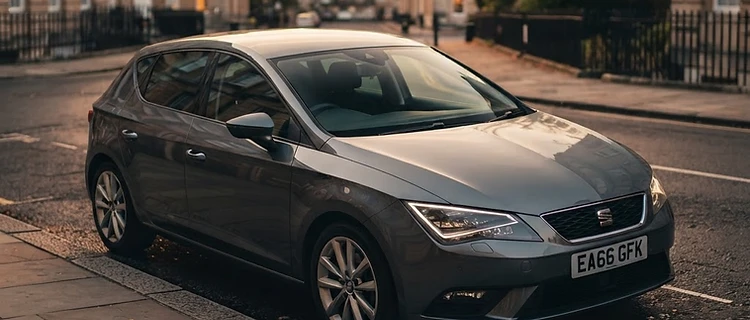
Used SEAT Leon Mk3 (2013–2020) Buyer’s Guide: Reliability, DSG Mechatronics and Water Ingress
Introduction
The Mk3 SEAT Leon, known internally as the 5F, is one of the sharpest-value used family hatches in the UK. Underneath, it shares the Volkswagen Group’s MQB platform with the Volkswagen Golf Mk7 and Skoda Octavia Mk3, so you get solid engineering without quite the same badge premium. The catch? On a used SEAT Leon 2013-2020, two issues come up again and again: 7-speed DSG trouble and water ingress into the rear cabin.
This guide focuses on the used SEAT Leon Mk3 reliability picture, the engines and gearboxes worth targeting, and the checks that matter before you buy.
Is the SEAT Leon Mk3 reliable?
Overall, yes. The Leon is fundamentally a dependable car if you buy on condition, history and drivetrain rather than trim alone. Chassis, steering and cabin hardware generally wear well, and most parts supply is straightforward.
The biggest difference in reliability comes from engine and gearbox choice. A manual 1.4 TSI or a well-maintained 2.0 TDI is usually a safer bet than a cheap early car with the 7-speed dry-clutch DQ200 DSG. If you are cross-shopping sister models, our Used Volkswagen Golf Mk7 Buyer’s Guide: Reliability, Water Pump Leaks and DSG Faults and Used Audi A3 (8V, 2012–2020) Buyer’s Guide: Reliability, DSG Faults and Water Pump Issues show a very similar mechanical pattern.
Best engines and gearboxes
For most UK buyers, the EA211 1.4 TSI is the sweet spot. In 125PS or 150PS form it feels punchy enough for the Leon, returns sensible fuel economy, and has a better long-term record than older small-capacity VAG petrols. In the SEAT Leon Mk3 1.4 TSI vs 1.5 TSI reliability UK debate, I would still lean 1.4 if both cars are equal on history and condition.
The later 1.5 TSI is efficient and refined, but some cars suffer low-speed hesitation or “kangarooing” when cold or in light throttle traffic. That is not always a major reliability issue, but it is worth testing carefully. We have seen the same characteristic discussed in the Used Skoda Karoq (2017–2024) Buyer’s Guide: Reliability, 1.5 TSI ‘Kangarooing’ and DSG Maintenance.
For high-mileage drivers, the EA288 2.0 TDI 150 is the pick. It suits the car, cruises well and can cover big miles if serviced properly. Just make sure it has had the right kind of life: regular motorway use, not endless short hops that stress the DPF and EGR system.
Manual gearboxes are the lowest-risk option. If you want an auto, be more selective. The 6-speed wet-clutch DSG fitted to higher-torque engines is generally the better bet than the 7-speed dry-clutch DQ200. Typical SEAT Leon 7-speed DSG dry-clutch issues symptoms are judder pulling away, delayed engagement into Drive or Reverse, shunting at parking speeds and, in worse cases, warning lights or limp mode.
Common Faults and Known Issues
The most common SEAT Leon common problems are well known in specialist workshops:
- Rear footwell water ingress: SEAT Leon Mk3 water leaking into rear passenger footwell areas is usually caused by failed foam seals behind the rear door speaker carriers. Rainwater should drain through the door, but once those seals degrade, it runs into the cabin and soaks the carpet. A proper reseal is often around £150-£300.
- Thermostat and water pump housing leaks: Common on EA211 petrols. Look for low coolant, pink staining or a sweet coolant smell. Typical repair bills are often £400-£800, depending on what is replaced.
- DQ200 DSG mechatronics or clutch wear: Hesitation, jerky take-up and flashing gear indicators are the red flags. A clutch pack or mechatronic repair can easily reach £1,000-£2,000+.
- Rear light condensation: Usually minor, but worth checking whether it is simple misting or actual water pooling in the cluster.
- Diesel DPF/EGR complaints: More likely on lightly used 1.6 and 2.0 TDIs. Rough idle, repeated regen behaviour or a cooling fan running after switch-off can be clues.
- Timing belt neglect: Most Mk3 Leon engines use a timing belt, not a chain. If the seller cannot prove replacement when due by age or mileage, budget for it.
Buying Advice
If you want the shortest version of what to look for when buying a used SEAT Leon, it is this: buy the cleanest, driest, best-documented car you can find, and do not be tempted by a bargain DSG with vague history.
My preferred combinations are:
- 1.4 TSI manual for mixed family use.
- 2.0 TDI 150 manual for heavy motorway mileage.
- 2.0 TDI DSG only if it drives perfectly and has clear maintenance history.
I would be cautious with early lower-powered cars paired with the DQ200 7-speed DSG unless the test drive is flawless. Facelift cars gained nicer infotainment and a fresher cabin, but condition matters more than model year.
Inspection Checklist
- Start it from cold and listen for an uneven idle or warning lights.
- Check coolant level and inspect the thermostat/water pump area for dried pink residue.
- Drive the DSG in stop-start traffic; it should not lurch, slip or pause selecting Reverse.
- Lift the rear mats and press the foam underlay hard for dampness.
- Inspect rear door cards and speaker areas for signs of past resealing.
- Check all rear lights for moisture.
- Confirm timing belt evidence with invoices, not just a stamped book.
- On diesels, ask about average journey length and any past DPF warnings.
Ownership Costs
Running costs are sensible for the class. Real-world economy varies with route and wheel size, but a 1.4 TSI will often return around the mid-40s mpg, while a healthy 2.0 TDI can better 55mpg on long runs. Insurance is usually moderate, though FR models can be pricier. Routine servicing is not excessive, but skipped maintenance quickly becomes expensive on DSG cars and neglected diesels. Road tax depends on registration date and original list price, so check the individual car rather than assuming.
Frequently Asked Questions
Is the SEAT Leon Mk3 a reliable used car?
Yes, broadly. The platform is proven, but reliability depends heavily on engine and gearbox choice.
What are the most common faults on the SEAT Leon Mk3?
Rear footwell water leaks, thermostat/water pump leaks, DSG mechatronic or clutch issues, and some diesel DPF problems.
Which engine is best in a used SEAT Leon Mk3?
For most buyers, the 1.4 TSI petrol is the best all-rounder. For motorway mileage, the 2.0 TDI 150 is strong if maintained properly.
Why is the rear carpet wet in some Leon Mk3s?
Usually because the foam gasket behind the rear door speaker has failed, letting rainwater into the cabin.
Does the SEAT Leon Mk3 have a timing belt or chain?
Most Mk3 Leon petrol and diesel engines use a timing belt. Service proof matters.
Summary
The Leon Mk3 remains one of the smartest used hatchbacks in this part of the market. The used SEAT Leon Mk3 reliability story is good overall, but not all cars are equal. Prioritise a 1.4 TSI manual or a well-kept 2.0 TDI, check carefully for SEAT Leon water ingress rear door issues, and treat any odd DSG behaviour as a reason to walk away or negotiate hard.
Should You Get a Professional Vehicle Report?
If you have found a specific car, a Professional Vehicle Report from MyCarPilot can help put the advert, spec, known model issues and UK market position into context before you commit. It costs £14.99 as a one-off payment and includes a 30-day Buying Companion for follow-up questions. For more on how it works, see the FAQ.
Frequently Asked Questions
About this guide: Produced by the MyCarPilot Engineering Team using UK market data, manufacturer technical bulletins and common owner-reported fault patterns. This is general buying guidance and does not replace a professional mechanical inspection.
Get Your Professional Vehicle Report
Before you travel to see any car, get the full picture. MyCarPilot analyses the documents and details you provide, cross-references them with UK model and market data, and tells you what is wrong, what it will cost, what to pay and what to inspect. All for a single payment of £14.99.
Start Your Vehicle ReportRelated Articles


Used Honda CR-V (Mk4, 2012–2018) Buyer’s Guide: Reliability, i-DTEC Diesel DPF Issues and Common Faults

Used Kia Picanto (JA, 2017–2023) Buyer’s Guide: Reliability, AMT Gearbox Quirks and Common Electrical Faults