Used Toyota Aygo (Mk2 AB40, 2014–2021) Buyer’s Guide: Reliability, Clutch Wear and Water Leaks
Introduction
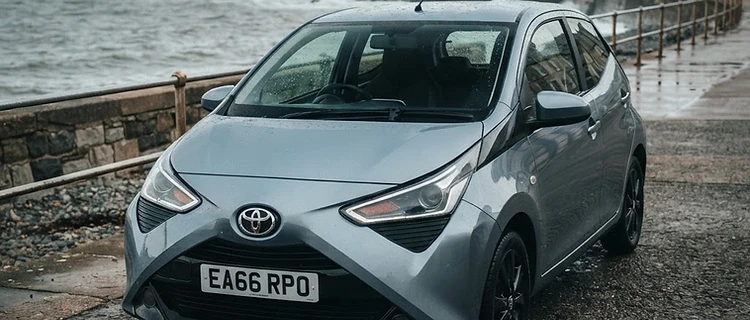
The second-generation Toyota Aygo is one of the simplest modern city cars you can buy, and that matters. In a market full of small turbo engines, wet belts and expensive automatic gearboxes, the Mk2 Aygo sticks with a proven 1.0-litre petrol, a timing chain and low running costs. For many UK buyers, that makes it a safer used bet than it first appears.
This used toyota aygo buying guide covers the car’s real strengths, the known weak spots and what to inspect before handing over any money. If you are cross-shopping rivals, it is also worth reading our Used Peugeot 208 (2012–2019) Buyer’s Guide: Reliability, PureTech Wet Belt Issues and Common Faults and Used Skoda Fabia Mk3 (2014–2021) Buyer’s Guide: Reliability, 1.0 TSI Turbo Issues and DSG Faults.
Why the Mk2 Aygo is usually a safe used buy
The Toyota Aygo Mk2 (AB40) shares its basic structure with the Citroën C1 Mk2 and Peugeot 108, but the Toyota-badged car tends to be the easiest to recommend in the UK. It is light, simple and generally tough in urban use.
The key mechanical attraction is the 1KR-FE 1.0-litre three-cylinder petrol engine. It uses chain-driven camshafts and conventional port injection, so it avoids some of the headline-grabbing issues seen elsewhere. There is no wet timing belt to worry about, and no diesel emissions hardware to age badly through short trips.
In reliability terms, that gives the Aygo a strong base. Most examples cope well with infrequent use, school-run mileage and city driving, provided they have had regular oil changes and basic maintenance. The engine should start quickly, idle evenly and pull cleanly, even if performance is modest.
Trim choice matters less than condition. X-play models are usually the value picks, while x-clusiv, x-cite and x-press versions add visual flair and equipment. Check condition carefully on fashionable special editions: bright colours, larger alloys and urban use often mean more cosmetic damage than on humbler cars.
Engines, gearboxs and the versions to choose
There is really only one engine to discuss in the UK: the 1.0 VVT-i petrol. It suits the Aygo well, feels eager enough around town and can return excellent economy if driven sensibly. On the motorway it is noisier than larger superminis, but that is the trade-off for low weight and low running costs.
The manual gearbox is the one to go for. It is simple, durable and far cheaper to sort if something goes wrong. The x-shift automatic is not a conventional automatic; it is an automated manual transmission using actuators to operate a single clutch. That means it can feel jerky at low speed even when healthy. Test drive one carefully. If it hesitates, thumps into gear or struggles to engage drive or reverse smoothly, walk away unless priced to reflect likely repair work.
Toyota Safety Sense became available on later cars, and it is worth having if your budget allows. Likewise, a full Toyota service history can be valuable because eligible cars under 10 years old and below 100,000 miles may benefit from Toyota Relax cover after servicing at a main dealer. For broader Toyota small-car context, see our Used Toyota Yaris (XP130, 2011–2020) Buyer’s Guide: Reliability, Hybrid Battery Health and Common Faults.
Common Faults and Known Issues
This is where most toyota aygo mk2 problems are concentrated.
Clutch wear and judder: The biggest mechanical weakness is premature clutch wear, especially on cars used almost exclusively in town. Expect some clutches to last only 40,000 to 65,000 miles. Warning signs include a high biting point, slip under load and shudder when pulling away. A toyota aygo clutch replacement cost at an independent UK garage is typically around £350 to £550, though prices vary by region.
x-shift transmission issues: On x-shift cars, jerky changes can be normal to a point, but excessive hesitation, warning lights or refusal to select gears can point to actuator or clutch-release problems. These cars need a very careful road test.
Boot water leaks: Water ingress into the spare wheel well is a well-known Aygo quirk. The usual culprits are the third brake light seal, rear lamp gaskets or blocked rear body vents. Lift the boot floor, remove the carpet and check for damp, corrosion, mould or a musty smell. A toyota aygo boot leak spare wheel well fix is often simple, but only if caught before it causes lasting trim damage.
Brakes and tyres: Many Aygos live hard urban lives. Feel for steering vibration under braking, listen for rear brake noise and inspect tyre brands. Cheap mismatched tyres often suggest penny-pinching elsewhere.
Interior wear: Scratched plastics, worn seat bolsters, sagging parcel shelves and damaged touchscreen units are common on heavily used examples. None is disastrous, but scruffy interiors can reveal poor ownership.
Buying Advice
Condition and history matter more than age or trim. A 2015 Aygo with invoices, matching tyres and a dry boot is often a better buy than a shinier 2019 car with patchy servicing and a tired clutch.
Prioritise a manual car unless you specifically need two-pedal driving. If you are considering an x-shift, make sure it engages cleanly from rest, reverses up an incline without fuss and does not flash transmission warnings.
Look for evidence of regular oil services rather than simply annual stamp collection. On low-mileage city cars, time-based maintenance is important. Also check for recall completion and ask whether the car still qualifies for Toyota Relax.
The Aygo is often bought on monthly budget, not maintained on enthusiast budget. Be wary of accident repairs to the nose and corners, kerbed alloys, split tyres and missing undertrays.
Inspection Checklist
- Start from cold and listen for rattles beyond a brief three-cylinder flutter.
- Check clutch bite point and test for slip in a higher gear uphill.
- On x-shift cars, verify smooth engagement of drive and reverse.
- Lift the boot carpet and inspect the spare wheel well for water.
- Check rear lamp seals and third brake light area for staining.
- Inspect all four tyres for even wear and decent-brand matching pairs.
- Test touchscreen, Bluetooth, electric windows and central locking.
- Look for full service history and itemised maintenance invoices.
- Confirm MOT advisories, especially tyres, brakes and corrosion from leaks.
Ownership Costs
Running costs are where the Aygo scores strongly. Real-world fuel economy commonly lands in the mid-50s mpg, sometimes better in mixed use. Insurance is usually low, parts are affordable and routine servicing is straightforward.
Road tax depends on registration date. Pre-1 April 2017 cars with sub-100g/km CO2 can qualify for £0 annual VED. Later cars move onto the standard flat rate, currently around £190 to £195 per year depending on the tax year.
Servicing at an independent specialist is rarely costly, but budget for consumables. A set of quality tyres, front brakes and a clutch can transform how an Aygo feels. If you are comparing small cars with broader ownership concerns, our Used Honda Jazz Mk3 (2015–2020) Buyer’s Guide: Starter Motor Faults and Fuel Pump Recalls is also worth a read.
Frequently Asked Questions
Is the second-generation Toyota Aygo reliable?
Yes. Toyota Aygo reliability UK data is generally strong, mainly because the 1.0-litre engine is simple and proven. The main repeat issues are clutch wear and occasional water leaks into the boot.
How long does a clutch last on a Toyota Aygo Mk2?
Typically 40,000 to 65,000 miles, though gentle use can see more. City driving, hill starts and learner use shorten lifespan.
Is the Toyota Aygo x-shift automatic reliable?
Reasonably, but it is less desirable than the manual. It is an automated manual, so it can be jerky by design and more expensive to diagnose when faults develop.
Why is there water in the boot of a used Toyota Aygo?
Usually failed seals around the third brake light or rear lamps, or blocked body vents. Always inspect under the boot floor before buying.
Does the 2014–2021 Aygo get Toyota Relax warranty?
Often yes, if it is under 10 years old, under 100,000 miles and serviced at a UK Toyota main dealer. Check the exact eligibility with the supplying dealer.
Summary
The Mk2 Aygo is a likeable, honest used city car with fewer mechanical traps than many rivals. Buy a manual 1.0 with solid service history, check carefully for clutch wear and boot leaks, and it should be one of the lower-risk small cars on the market.
It is not refined, fast or plush, but it is simple in the right ways. For buyers who want dependable urban transport without nasty engineering surprises, this used toyota aygo 2014 to 2021 buyer guide leads to a clear conclusion: choose carefully, and the Aygo remains an excellent used buy.
Should You Get a Professional Vehicle Report?
If you are about to buy, a paper service history and a tidy test drive only tell part of the story. MyCarPilot combines model-specific risk analysis with UK market and vehicle data to help spot the issues that matter before you commit. A Professional Vehicle Report costs £14.99 as a one-off and includes a 30-day Buying Companion for follow-up questions. For more on how it works, see the FAQ.
Frequently Asked Questions
About this guide: Produced by the MyCarPilot Engineering Team using UK market data, manufacturer technical bulletins and common owner-reported fault patterns. This is general buying guidance and does not replace a professional mechanical inspection.
Get Your Professional Vehicle Report
Before you travel to see any car, get the full picture. MyCarPilot analyses the documents and details you provide, cross-references them with UK model and market data, and tells you what is wrong, what it will cost, what to pay and what to inspect. All for a single payment of £14.99.
Start Your Vehicle ReportRelated Articles

Used Volkswagen Polo (Mk5 Facelift, 2014–2017) Buyer’s Guide: Reliability, 1.2 TSI Timing Issues and DSG Gearbox Faults

Used Toyota Yaris (XP130, 2011–2020) Buyer’s Guide: Reliability, Hybrid Battery Health and Common Faults