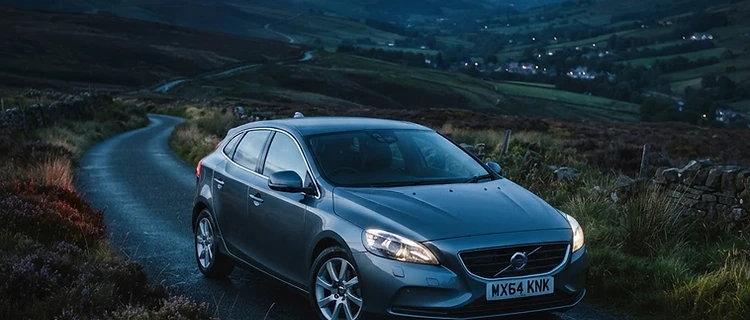
Used Volvo V40 (2012–2019) Buyer’s Guide: Reliability, EGR Issues and Common Faults
Introduction
The Volvo V40 is one of the more appealing used family hatchbacks on the UK market: stylish, safe and usually better finished than a mainstream rival. It can also be a sensible buy, but only if you choose the right engine and check the right weak spots.
This used Volvo V40 buyer's guide focuses on the areas that matter most to UK buyers: Volvo V40 reliability, diesel EGR trouble, Geartronic behaviour, running costs and the faults that can turn a tidy-looking car into an expensive one.
Reliability and the best engines
Broadly, the V40 is a solid car underneath. Body corrosion is rarely a concern, cabins wear well and the chassis itself is robust. The split in reputation comes from the engines.
Early cars used some older Ford/PSA-derived units, while later cars moved to Volvo’s own Drive-E engines. In practice, that means service history matters more than badge appeal. A scruffy low-mileage car is usually a worse bet than a higher-mileage one with clear invoices.
If you want the safest all-round choice, the 2.0-litre petrol T2 or T3 is usually the pick of the range. They avoid many of the diesel-related headaches, suit mixed driving and tend to feel smoother around town.
If you need diesel economy, a later D3 is often the sweet spot. It is generally a better long-term prospect than the earlier 1.6-litre D2, especially if the car has seen regular motorway use. The D2 can return excellent mpg, but buyers should be alert to injector, EGR and DPF-related issues.
Trim-wise, R-Design models look sharp but often ride more firmly on bigger wheels. SE and Momentum versions are usually the better used buy if comfort and tyre costs matter. Most cars include Volvo’s City Safety system, which adds reassurance, but make sure warning lights are absent and calibration-sensitive repairs have not been bodged after accident damage.
Diesel, EGR and Geartronic: what matters most
The biggest talking point on used diesel V40s is the emissions hardware. On D2, D3 and D4 diesel engines, especially cars used for short urban trips, the EGR valve can clog with soot. Typical Volvo V40 EGR valve symptoms include hesitant acceleration, rough idle, poor economy, engine management lights and, in worse cases, limp-home mode.
A simple clean may solve it, but not always. Depending on engine and labour rates, EGR work can range from roughly £250 to £700. If the fault has been ignored, it may be part of a wider DPF or intake contamination problem.
This is why the V40’s diesel engines suit motorway users far better than low-mileage town drivers. A car doing repeated short journeys can also struggle with DPF regeneration. Signs include an engine fan running after switch-off, a raised idle speed or a warning message.
Automatic buyers should pay close attention to Volvo V40 Geartronic faults. The gearbox is usually durable when it shifts cleanly, but some cars develop jerky low-speed changes, delayed engagement or flaring between gears. A proper fluid service is cheap insurance, even if earlier schedules implied minimal maintenance. Budget around £250 to £350 for a specialist transmission service; a neglected gearbox can become far more expensive.
If you are also weighing up premium hatch alternatives, our guides to the Used BMW 1 Series (F20, 2011–2019) Buyer’s Guide: Reliability, N47 Timing Chain and Common Faults and Used Ford Focus Mk3 Buyer's Guide: Reliability, EcoBoost Wet Belt and PowerShift Issues are useful comparisons.
Common Faults and Known Issues
- EGR valve blockage: Mostly on diesel cars. Look for hesitation, warning lights and poor response.
- DPF trouble: Common on short-run diesels. Failed regenerations can trigger limp mode.
- Early 1.6 D2 injector issues: Hard starting, uneven idle and excessive smoke are red flags. Injector replacement can be costly.
- Geartronic shift quality: Any thump, delay or slipping sensation needs investigation before purchase.
- Rear brake calipers sticking: A known age-related issue. Feel for a hot wheel after a drive or uneven rear pad wear. Expect roughly £250 to £400 for calipers and fitting on the rear axle.
- Sensus infotainment glitches: Freezing screens, lag or failed Bluetooth pairing are common irritations rather than terminal faults, but replacement screens are not cheap.
- Suspension consumables: Front drop links and bushes can knock on rough roads. Usually not serious, but worth using as a negotiating point.
Buying Advice
The best used V40 is not necessarily the newest or most highly specified. It is the one with evidence of careful maintenance.
Prioritise a full or near-full service history, proof of quality oil changes and invoices for wear items. On diesels, ask how the car was used. A motorway commuter car with 100,000 miles can be a safer bet than a 45,000-mile town car that has spent years cold-starting and never completing a proper regen cycle.
Try to buy Euro 6 compliance if you regularly enter clean air zones, but check the registration and emissions data rather than assuming by year alone.
Be cautious with modified R-Design cars, overdue cambelts and any V40 showing electrical gremlins after previous accident repairs. If a seller says “they all do that” about gearbox behaviour or an engine warning light, walk away.
Inspection Checklist
- Start from cold: does it rattle, smoke or idle unevenly?
- On a diesel, check for EGR/DPF warnings and sluggish throttle response.
- Test the Geartronic from cold and warm; shifts should be smooth and prompt.
- Check the infotainment screen, Bluetooth, parking sensors and climate control.
- Inspect rear brakes for binding or uneven wear.
- Confirm cambelt replacement if age or mileage suggests it is due.
- Look for mixed tyre brands, kerbed alloys and poor panel gaps, which can hint at corner-cutting.
- Scan the service history for repeated emissions-related visits.
Ownership Costs
Volvo V40 ownership costs UK are reasonable for a premium-badged hatchback. Real-world fuel economy is often around 45–60mpg for diesels and 35–45mpg for the 2.0 petrols, depending on use. Exact figures vary too much by engine and driving style to quote more precisely.
Road tax depends heavily on CO2 rating and first registration date, so always check the specific car. Insurance is usually mid-pack: higher than a basic Astra, often lower than equivalent German premium rivals.
Routine servicing at an independent Volvo specialist is commonly £220 to £350 for a minor or annual visit. Cambelt replacement, where applicable, is often £450 to £700 with a water pump. That makes the V40 pricier than some mainstream rivals, but usually still cheaper to run than many premium alternatives.
Frequently Asked Questions
Is a used Volvo V40 reliable?
Generally yes, especially if maintained properly. The car itself is sturdy, but diesel EGR and DPF issues can spoil ownership.
What are the most common Volvo V40 problems?
EGR blockage, DPF trouble, early D2 injector faults, sticky rear brake calipers and infotainment glitches are the issues seen most often.
Which Volvo V40 engine is the most reliable?
For most buyers, the later 2.0-litre petrol T2 or T3 is the safest recommendation. Among diesels, a well-maintained later D3 is usually preferable to an early 1.6 D2.
Does the Volvo V40 have a timing belt or chain?
Most commonly found V40 engines use a timing belt. Replacement intervals vary by engine, so verify by VIN, engine code and service history.
Is the Volvo V40 expensive to maintain in the UK?
Slightly dearer than a Ford Focus or Vauxhall Astra, but usually less painful than a BMW 1 Series or Audi A3 if you use a good independent specialist.
Summary
A used Volvo V40 still makes a lot of sense in the UK. It is comfortable, safe and feels more mature than many hatchback rivals. The key is avoiding the wrong diesel for the wrong job.
If you do mostly short trips, buy a petrol. If you need a diesel, look for a later, well-serviced car with evidence of regular longer runs. A smooth automatic, clean service record and healthy brakes matter more than flashy trim.
Should You Get a Professional Vehicle Report?
If you are close to buying, a Professional Vehicle Report from MyCarPilot can help you sense-check the car before you commit. It is built by automotive engineers, powered by specialist AI and cross-referenced with UK model and market data. At £14.99 as a one-off payment, plus a 30-day Buying Companion for follow-up questions, it is a useful final filter for cars with patchy history, diesel emissions concerns or unclear value. For more on how it works, see the FAQ.
Frequently Asked Questions
About this guide: Produced by the MyCarPilot Engineering Team using UK market data, manufacturer technical bulletins and common owner-reported fault patterns. This is general buying guidance and does not replace a professional mechanical inspection.
Get Your Professional Vehicle Report
Before you travel to see any car, get the full picture. MyCarPilot analyses the documents and details you provide, cross-references them with UK model and market data, and tells you what is wrong, what it will cost, what to pay and what to inspect. All for a single payment of £14.99.
Start Your Vehicle ReportRelated Articles


Used Nissan Qashqai (J11, 2014–2021) Buyer’s Guide: Reliability, 1.2 DIG-T Engine Issues and CVT Gearbox Faults


Used Volkswagen Golf Mk6 (2008–2013) Buyer’s Guide: Reliability, TSI Timing Chain Issues and DSG Gearbox Faults