Used Kia Ceed (JD, 2012–2018) Buyer’s Guide: Reliability, Clutch Slip and 1.6 CRDi DPF Issues
Introduction
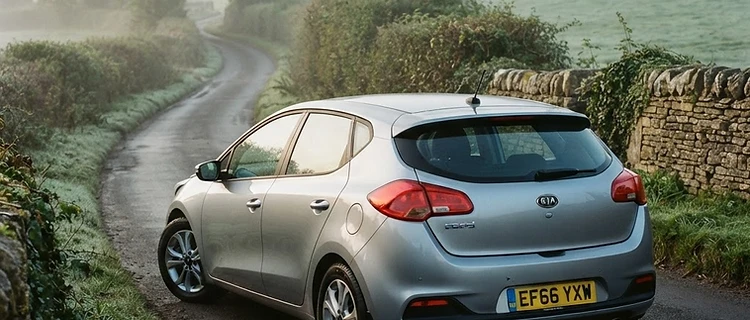
The second-generation Kia Ceed quietly became one of the smartest used family hatchbacks in the UK. It is roomy enough for family duty, cheap enough to run sensibly and, crucially, usually less troublesome than many rivals. If you are searching for a used kia ceed buying guide, this is the stuff that matters: which engines are worth having, where the JD-generation car goes wrong, and how to avoid buying a diesel with an expensive DPF problem or a manual with a tired clutch.
The Ceed shares much with the Hyundai i30, and that shows in the best way: straightforward engineering, decent durability and few horror stories. Still, no used car is fault-free.
Engines, gearboxes and which Ceed to buy
For most UK buyers, the safest choices are the naturally aspirated 1.4 petrol and the later 1.0 T-GDi. The 1.4 is not quick, but it is simple and well suited to mixed local use. The 1.0 T-GDi feels more modern and punchier, though you should still insist on strong service history and smooth cold running.
The 1.6 CRDi diesel is the mileage champion. On regular A-road and motorway use, 55 to 65mpg is realistic, and these cars can cover big distances comfortably. But this is also where most kia ceed 1.6 crdi problems sit. A diesel Ceed used only for school runs and short urban hops is the one to treat cautiously.
Manual gearboxes are generally durable, but some diesel cars suffer kia ceed clutch wear issues earlier than expected. Facelift cars from 2015 could also be had with Kia’s 7-speed dry-clutch DCT. It is not inherently disastrous, but like other dry dual-clutch systems, it dislikes repeated crawling traffic and poor maintenance habits. If you are also comparing rivals, our guides to the Used SEAT Leon Mk3 (2013–2020) Buyer’s Guide: Reliability, DSG Mechatronics and Water Ingress and Used Volkswagen Golf Mk7 (2012–2020) Buyer’s Guide: Reliability, Water Pump Leaks and DSG Faults show how common transmission worries are in this class.
Reliability and what age does to the JD Ceed
Overall, kia ceed reliability uk standards are strong. The JD-generation car earned a good reputation because it avoided complex, fragile engineering. Most examples also benefited from Kia’s 7-year warranty, which encouraged proper dealer servicing early in life.
Age is now the bigger factor than design weakness. A 2012 car may be robust, but worn suspension joints, tired brakes, ageing batteries, failed LED running lights and neglected servicing can make a once-solid Ceed feel shabby. The good news is that most faults are ordinary rather than catastrophic.
Petrol models tend to be the better bet for buyers doing less than 10,000 to 12,000 miles a year. Diesel makes sense only if the car is used properly. That is the key distinction in any used kia ceed 2012 to 2018 search.
Common Faults and Known Issues
Here are the main kia ceed jd common faults to check:
- Clutch slip or high bite point on manual diesels: Most noticeable in 3rd or 4th gear under hard acceleration, where revs rise faster than road speed. A very high pedal bite or shudder when moving off can point to clutch wear. Replacement cost varies by garage and whether a flywheel is needed, but budget roughly £700 to £1,300.
- DPF blockage on 1.6 CRDi: Common on cars used for repeated short trips. Warning lights, limp mode, poor economy or frequent fan running after switch-off are clues. A forced regeneration may help, but a badly blocked unit can become expensive.
- EGR contamination on diesel models: Hesitation, rough running and engine management lights can stem from a sticky EGR valve, often linked to urban driving.
- 7-speed DCT hesitation or judder: On facelift automatics, check for delayed take-up, clunking or shudder in stop-start traffic and hill starts. If it feels awkward hot as well as cold, walk away unless priced accordingly.
- Anti-roll bar drop links and suspension knocks: Fairly common wear item. Usually not serious, but listen for front-end rattles over potholes.
- DRL LED failures: Daytime running light units can fail, which is irritating rather than terminal, but worth using as a bargaining point.
- Uneven tyre wear: Often just alignment, but can also hint at kerb damage or tired suspension.
If diesel emissions issues worry you, our Used Mazda CX-5 (KF, 2017–2024) Buyer’s Guide: Reliability, Skyactiv-D DPF Issues and Cylinder Deactivation Faults and Used Kia Sportage (Mk4, 2016–2021) Buyer’s Guide: Reliability, DCT Clutch Shudder and CRDi Diesel DPF Faults explain similar patterns.
Buying Advice
So, what to look for when buying a used kia ceed?
First, buy on history rather than badge or trim. A base-model Ceed with annual servicing is a better prospect than a flashy one with gaps in the book. Ideally, look for invoices showing correct oil grades and routine maintenance.
Second, match engine to use. For town driving, choose petrol. For long-distance commuting, the 1.6 CRDi is still the pick. That is really the answer to used kia ceed 1.4 petrol vs 1.6 diesel reliability: both can be dependable, but only when used in the right way.
Third, be cautious with cheap diesels showing recent warning-light resets, fresh battery disconnect signs or suspiciously warm engines on arrival. Sellers sometimes clear faults before viewings.
Finally, do not ignore the condition of the cabin and load bay. Excessive wear on seat bolsters, steering wheel and boot floor can reveal harder use than the odometer suggests.
Inspection Checklist
- Start from cold and listen for rattles, smoke or uneven idle.
- On manuals, accelerate hard in a high gear to check for clutch slip.
- On 1.6 CRDi cars, confirm it reaches temperature properly and check for DPF or engine warning lights.
- On DCT autos, drive in traffic, reverse uphill if possible and test gentle pull-aways.
- Listen for front suspension knocks over broken surfaces.
- Check all DRLs, infotainment, air conditioning and parking sensors.
- Inspect tyres for brand mismatch or inner-edge wear.
- Review MOT history for recurring advisories on suspension, tyres or emissions.
- Verify servicing, recall work and whether any Kia warranty remained in later life.
Ownership Costs
Running costs are one of the Ceed’s strengths. Real-world petrol economy typically sits around the low-to-mid 40s mpg depending on engine and use, while the 1.6 CRDi can return 55mpg-plus on longer runs. Insurance is usually sensible by class, and independent servicing is rarely painful.
Road tax depends heavily on registration date, engine and CO2 band, so check the specific car rather than assuming. Parts supply is good and shared mechanicals with Hyundai help. Most routine services are affordable, though DCT or diesel fault rectification can quickly outweigh any fuel saving.
Frequently Asked Questions
Is the second-generation Kia Ceed reliable?
Yes. It is one of the more dependable family hatchbacks of its era, provided it has been serviced properly.
Does the Kia Ceed JD have a timing belt?
Most JD-generation Ceed engines use timing chains rather than belts. Regular oil changes are still vital.
What are the most common problems?
Clutch wear on some manual diesels, DPF and EGR trouble on short-run 1.6 CRDi cars, suspension drop-link knocks and occasional DRL failures.
Which engine is best?
The 1.4 petrol suits lower-mileage owners best. The 1.6 CRDi is the stronger choice for frequent motorway use.
How do I spot DCT problems?
Look for hesitation, shudder, clunking or delayed engagement at low speed, especially when hot or on hill starts.
Summary
The JD-generation Ceed is easy to recommend. It is honest, durable and usually cheaper to own than many European rivals. For most buyers, a well-kept petrol is the safest used buy. A 1.6 CRDi can be excellent too, but only if its past life included regular longer journeys and evidence of proper maintenance.
In short, is a used kia ceed reliable uk? Yes, generally very much so. Just avoid neglected diesels and tired clutch cars.
Should You Get a Professional Vehicle Report?
If you have found a promising Ceed but want a second opinion, MyCarPilot offers a data-led Professional Vehicle Report for £14.99 as a one-off payment. It is built by automotive engineers, powered by specialist AI and cross-referenced with UK model and market data. You also get a 30-day Buying Companion for follow-up questions. For process questions, the FAQ is useful. On cars like the Ceed, where service history, diesel suitability and transmission behaviour matter more than glossy photos, an independent sense-check can be money well spent.
Frequently Asked Questions
About this guide: Produced by the MyCarPilot Engineering Team using UK market data, manufacturer technical bulletins and common owner-reported fault patterns. This is general buying guidance and does not replace a professional mechanical inspection.
Get Your Professional Vehicle Report
Before you travel to see any car, get the full picture. MyCarPilot analyses the documents and details you provide, cross-references them with UK model and market data, and tells you what is wrong, what it will cost, what to pay and what to inspect. All for a single payment of £14.99.
Start Your Vehicle ReportRelated Articles

Used Volkswagen Polo (Mk5 Facelift, 2014–2017) Buyer’s Guide: Reliability, 1.2 TSI Timing Issues and DSG Gearbox Faults


Used Toyota Yaris (XP130, 2011–2020) Buyer’s Guide: Reliability, Hybrid Battery Health and Common Faults